
When you suffer a muscle injury — whether a strain, a tear, or post-surgical damage — your body immediately begins the complex work of repair. Muscles are made up of protein fibres, and rebuilding those fibres requires the right raw material. Adequate protein for muscle recovery after injury is not optional; it is one of the most important nutritional interventions you can make.
We regularly see patients who are diligent about physiotherapy but are unknowingly eating far too little protein — and wondering why recovery feels painfully slow. Protein is not just for athletes. It is essential medicine for anyone healing from a musculoskeletal injury.
Quick Navigation
Why Protein Is Essential After a Musculoskeletal Injury
Muscle tissue is in a constant state of turnover — broken down and rebuilt throughout the day. Under normal conditions this is a balanced cycle. After an injury, breakdown accelerates sharply.
Inflammation, bed rest, immobilisation, and surgical stress all dramatically increase the rate at which muscle protein is degraded. Without sufficient dietary protein to counteract this, you lose muscle mass faster than your body can rebuild it.
The Real-World Impact
The practical consequences are significant:
- Weak muscles around an injured joint increase instability and raise re-injury risk
- Loss of muscle mass slows your return to daily activities
- Delayed structural healing, because the building blocks for new muscle fibres and connective tissue come straight from the protein you consume
During recovery, protein is not a luxury — it's a structural requirement. Every gram of dietary protein supports the rebuilding process your body is actively undertaking.
How Much Protein Do You Need for Muscle Recovery?
The standard recommendation for a sedentary adult is 0.8 g of protein per kilogram of body weight per day. Research on injury recovery consistently shows you need considerably more.
Evidence-Based Protein Intake for Injury Recovery
For effective muscle recovery after orthopedic injury or surgery, clinical guidelines recommend:
| Recovery Type | Recommended Intake | Example (65 kg Adult) |
|---|---|---|
| Sedentary (baseline) | 0.8 g/kg/day | 52 grams/day |
| Moderate injury recovery | 1.2 g/kg/day | 78 grams/day |
| Significant strain/surgery | 1.6 g/kg/day | 104 grams/day |
| Major surgery/fracture (high activity) | 2.0 g/kg/day | 130 grams/day |
Why Does Protein Need Increase?
The severity of injury, your age, and how active your rehabilitation is all determine where you fall on this spectrum. Many Indians — particularly those following vegetarian diets without careful planning — fall well below these ranges, leading to prolonged recovery and muscle wasting.
Calculate your target: If you weigh 65 kg and recovering from surgery, aim for 78–130 grams of protein daily. For most people, this means adding protein to every meal.
Best Protein Foods for Injury Recovery in India
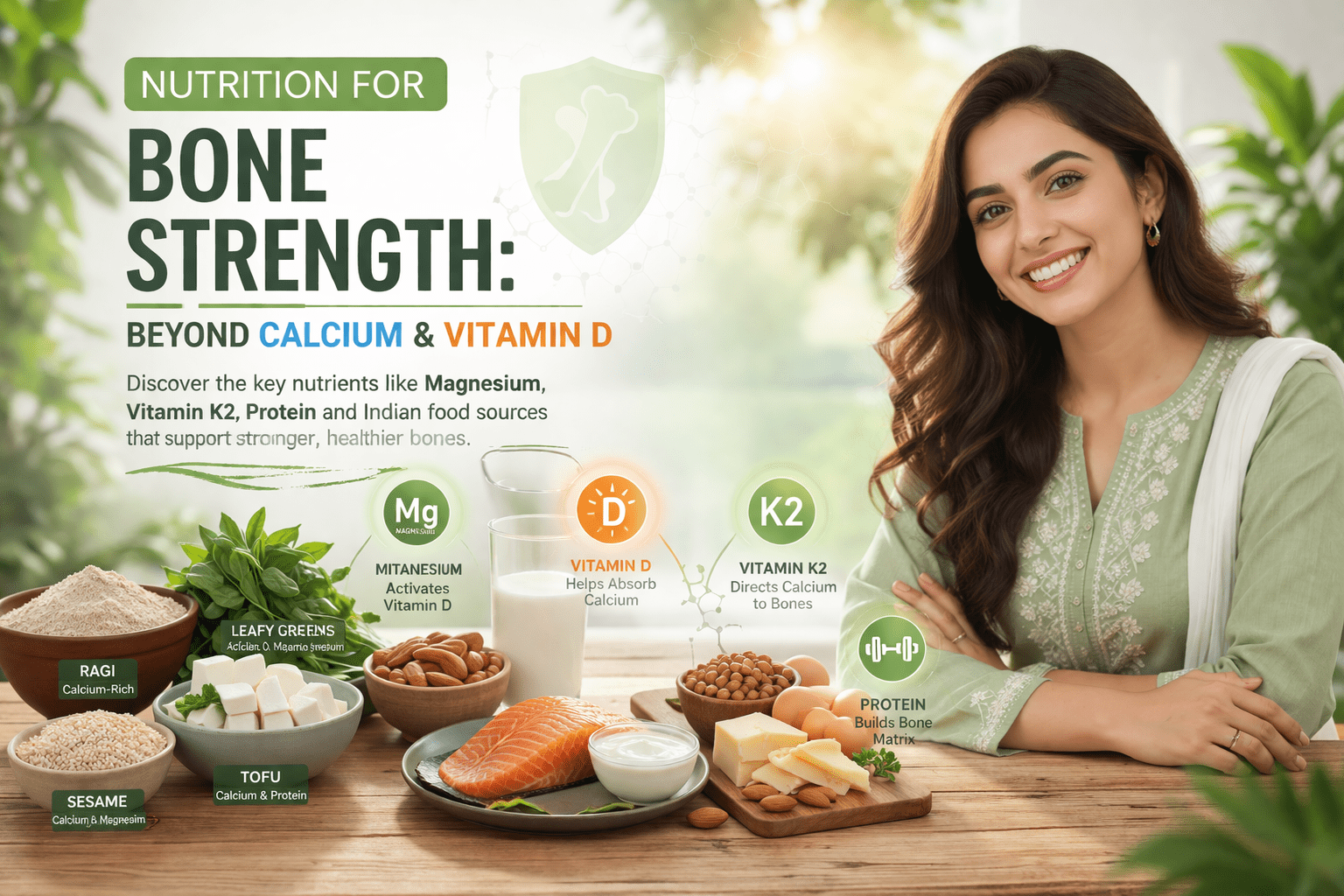
Both animal and plant proteins can support muscle repair effectively when consumed in sufficient quantities. Here are the most practical sources for an Indian context:
Building a Practical Daily Plan
For a 65 kg adult targeting 100 grams of protein daily:
- Breakfast: 2 eggs (12g) + 1 cup curd (15g) = 27g
- Mid-morning: Handful of almonds + 1 apple = 6g
- Lunch: 150g paneer curry (30g) + dal (10g) + rice = 40g
- Evening: Curd-based lassi (10g) = 10g
- Dinner: 100g fish/chicken (25g) + roti + vegetables = 25g
Protein Timing: Does It Matter for Recovery?
A common question: Should I consume protein immediately after physiotherapy to maximize muscle building?
The Evidence
Spreading protein intake evenly across three to four meals per day is more effective than eating most of it in one large meal. Aim for 25 to 40 grams per meal.
Consuming protein within one to two hours of your physiotherapy session may modestly enhance the muscle adaptation response — however, total daily intake matters far more than timing alone.
Consistency beats perfection. Focus on meeting your daily protein target distributed across meals. A post-therapy snack is beneficial but never at the expense of overall daily intake.
Special Consideration: Older Adults and Muscle Recovery
Muscle protein synthesis becomes less efficient with age — a phenomenon known as anabolic resistance. Older adults recovering from fractures, joint replacements, or muscle injuries need more intentional nutrition.
Protein Needs for Older Adults
- Recommended range: 1.6 to 2.0 g/kg/day (higher end of recovery spectrum)
- Leucine-rich foods are particularly effective: Dairy and eggs are priority foods during orthopedic recovery, as leucine is a key trigger for muscle protein synthesis in older physiology
- Frequent smaller meals: Older adults may struggle to consume 100g+ of protein in one sitting; spreading intake across 4–5 meals improves total intake
If you are 60+ and recovering from an orthopedic injury, prioritize dairy, eggs, and complete proteins at every meal. The additional protein is not luxurious — it's medically necessary for optimal recovery.
Frequently Asked Questions
Yes — but it requires intentional planning. Combining dal with rice or roti, eating curd at multiple meals, including paneer regularly, and adding nuts and seeds throughout the day can meet protein targets. Many vegetarian patients benefit from a whey or soy protein supplement to bridge the gap, especially during active physiotherapy. A combination approach — whole foods + supplement — often works best.
Start with easily digestible protein: curd, eggs, fish, and soft paneer. As your system recovers, gradually introduce legumes and nuts. Whey protein powder is often gentler than whole-food proteins for sensitive digestive systems. If digestion remains an issue, consult our team — anti-inflammatory medications or surgical recovery may temporarily affect protein absorption.
For people with healthy kidney function, high protein intake during recovery is safe. The research is clear: protein-rich recovery diets do not damage kidneys in people without pre-existing kidney disease. If you have kidney or liver conditions, discuss protein targets with your physician before starting a recovery plan.
Most acute muscle injuries require elevated protein for 6–12 weeks. After major surgery (joint replacement, ACL reconstruction), maintain higher intake for 3–6 months during active physiotherapy. As your physio progresses and symptoms resolve, you can gradually return to maintenance-level protein intake (0.8–1.0 g/kg/day) — but not sooner.
For most patients: Whey protein isolate (fast-absorbing, complete amino acid profile) or soy protein (plant-based, complete protein). Choose unflavored or lightly flavored options to avoid added sugars. Consume within 1–2 hours of physiotherapy for added benefit. Quality matters — choose third-party tested products from reputable brands.
Recovery Is a Whole-Body Process
Physiotherapy rebuilds function. Protein rebuilds tissue. Together, they give you the best possible chance of a full, lasting recovery from any muscle or joint injury.
If you are recovering and seeing our team at StepUp Joints, Lajpat Nagar, ask about your specific protein needs — we are happy to help you calculate and plan your intake.