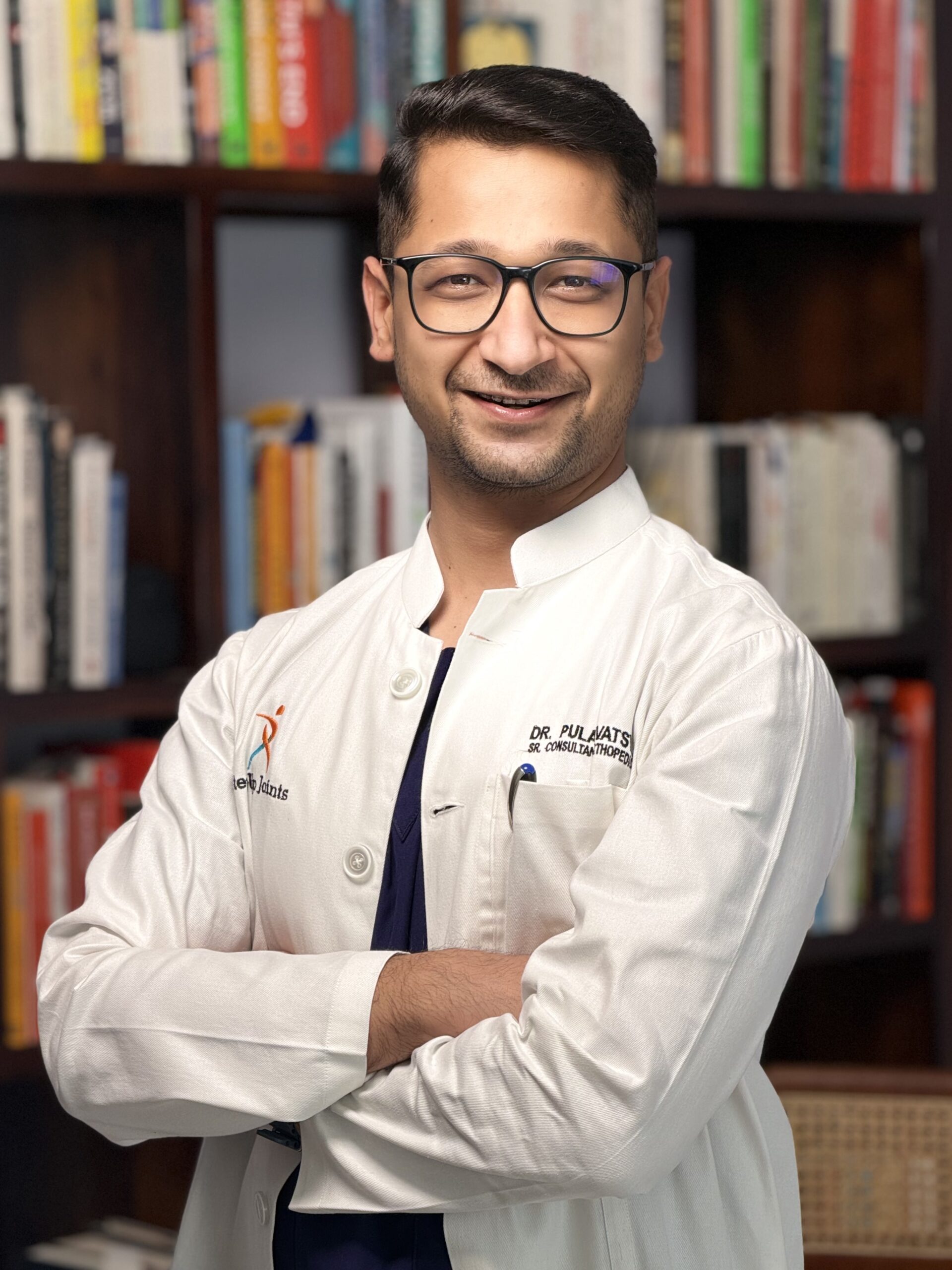
Doctor Statement – Dr. Pulak Vatsya:
Dr. Pulak Vatsya (MBBS, MS Orthopaedics, DNB, MNAMS) Bone and joint problems can have different causes, so treatment should begin with an accurate clinical assessment. Understanding the injury, joint condition, activity level and individual health helps us choose an appropriate treatment and rehabilitation plan.”
Summary
Orthopedic Physicians provide evaluation and treatment for bone, joint, muscle, ligament, tendon, and sports-related conditions. From arthritis and fractures to ACL injuries and other sports injuries, treatment may include physiotherapy, medication, rehabilitation, or surgery depending on the diagnosis. Patients looking for a Best Sports Injury Doctor in Delhi can seek specialist evaluation for accurate diagnosis, personalized treatment, and a safe return to normal activities or sports.
What Do Orthopedic Physicians Treat?
Orthopedic Physicians diagnose and treat diseases and injuries of the musculoskeletal system. Orthopedic surgery may be required in both acute and chronic cases.
The following are some of the conditions that are commonly managed by Orthopedic Surgeons:
- Arthritis
- Joint pain
- Sports injuries
- Ligament injuries
- Tendon injuries
- Meniscus injury
- Fractures
- Dislocations
- Back and neck pain
- Shoulder pain
- Knee pain
- Hip pain
- Foot and ankle conditions
- Bone and joint infections
- Degenerative joint disease
- Conditions that require joint replacement
The type of treatment depends on the patient’s symptoms, physical examination, age, activity level, general health, and test results.
When Should You Consult an Orthopedic Doctor?
Not every episode of muscle or joint discomfort requires professional assistance. But a few incidents should not be just shrugged off.
You should consider Orthopedic Physicians if you have
- persistent bone or joint pain
- recurring joint swelling
- difficulty walking
- reduced range of motion
- joint instability
- painful after accident
- sports injuries
- difficulty with daily tasks
- back or neck pain
- painful that persists despite common treatments
- suspected broken bones or dislocations
An initial evaluation can help decide if the condition requires extensive treatment and specialist care or if it can be managed with conservative treatments and physical therapy.
What Is Sports Injury?
A sports injury is an injury that occurs during exercise, training, a recreational activity, or athletic competition. Sports injuries may occur as the result of an accidental injury or from stress on a particular area of the body.
Common sports injuries include:
- ACL injury
- Meniscus injury
- Ankle sprain
- Shoulder dislocation
- Rotator cuff injury
- Tennis elbow
- Muscle strain
- Tendon injury
- Stress fracture
- Cartilage injury
The severity of an injury can vary considerably. Some injuries may be repaired with rest and rehabilitative therapy, while others may require surgery.
When Should You See a Best Sports Injury Doctor in Delhi?
People tend to look for the Best Sports Injury Doctor in Delhi after sustaining an injury during a sports activity or working out. However, it may be advisable to take an evaluation even before the discomfort becomes intolerable.
It is time to visit a specialist if:
- You heard a popping sound when you sustained the injury
- the joint swelled rapidly after sustaining the injury
- you cannot put weight on the affected leg
- the joint feels unstable,
- you are unable to move the affected joint
- pain persists despite rests
- injuries keeps occurring
- you cannot resume playing your favorite sport or exercising
- you suspect a ligament or a meniscus injury
Sports injury affects people’s performance. A correct diagnosis determines if rehabilitation, additional imaging, or surgery is needed.
Common Sports Injuries and Their Treatment
ACL Injuries
The anterior cruciate ligament (ACL) is one of the major knee stabilizing ligaments. ACL injuries most commonly take place during sporting activities that incorporate a lot of directional changes, jumping and landing or sudden slowdowns.
The treatment plan depends on the nature of the injury, knee stability, level of activity, age and sport requirements.
It may either be treated with structured physical therapy or undergo ACL reconstruction.
Meniscus Tears
The meniscus is a cartilaginous structure found in the knee that provides shock absorption and stability.
A meniscus tear can be brought about by a torsion injury or degenerative changes that take place with aging.
The signs and symptoms of a meniscus tear mimic those of ACL injury and include:
- Pain
- Swelling
- Popping or catching feeling
- Clenching and inability to fully bend the knee
The treatment for meniscus tears is dependent on the location and type of tear as well as the symptoms.
Shoulder Dislocation
This takes place when the upper arm bone slides out of the shoulder socket. The management of a dislocated shoulder starts with seeking professional medical help. In cases where the shoulder dislocates recurrently, the ligaments and other structures need to be evaluated
The treatment might include physical therapy and use of braces or surgical intervention to repair the tissues.
Ankle Sprains
Ankle sprains are extremely common amongst athletes and active people. They take place when one or more of the ankle ligaments get injured. A treatment plan for an ankle sprain is normally directed at protecting the ankle, limiting activity as much as possible, engaging in physical therapy and exercising to improve balance and strengthen the muscles
How Are Bone and Joint Problems Diagnosed?
Diagnosis starts with a comprehensive clinical evaluation.
Your physician will ask you a series of questions, including:
- How the condition developed
- What injuries you have had in the past
- Where your pain is located
- How long you have been suffering
- What activities aggravate the pain
- If you have any swellings
- Whether you have instability in the joint
- What treatments you have tried
- Your general medical history
- The sports you participate in
During the physical examination, the doctor will assess the active and passive range of motion of your joints, check for stability, test muscle strength, look for tender spots, check for swelling, and inquire about limitations in joint function.
Diagnostic Imaging
X-ray
X-rays are commonly used to take pictures of bones and joints, so that the doctor can see any fractures or degenerative changes that may be present.
MRI
MRI is an imaging technique that allows you to assess soft tissues in greater detail: ligaments, tendons, menisci, cartilage, etc. An MRI scan is indicated if there is a suspicion of an intra-articular soft tissue injury. However, it is not always necessary, since the symptoms can be correlated with the findings during a clinical examination.
CT Scan
A CT scan can be performed to get information about more complex fractures or certain diseases of the bones. The doctor will request this type of imaging if necessary.
Non-Surgical Orthopedic Treatment
Not every orthopedic condition requires surgery. Depending on the diagnosis, Orthopedic Physicians may recommend conservative treatment, such as:
Physiotherapy
Physiotherapy can help restore strength, flexibility, balance, movement, and function. A rehabilitation program may be particularly important following sports injuries or orthopedic surgery.
Activity Modification
Temporarily reducing activities that aggravate symptoms may help the affected area recover. The goal is not necessarily complete inactivity. Your doctor or physiotherapist can advise you on what movements to perform based on the injury.
Medication
Depending on the condition and medical history, medication may be recommended to help manage pain or inflammation. Medication should be taken according to medical advice, particularly when symptoms persist.
Bracing or Support
Some injuries may benefit from a brace or other support at specific stages of treatment. The type and duration of bracing or support will depend on the injury.
Rehabilitation
A structured rehabilitation program can help patients gradually return to normal activities or sports. The rehabilitation process may involve strengthening, mobility, balance, and sport-specific exercises.
When Is Orthopedic Surgery Considered?
Surgery is usually considered in the case of an identified structural abnormality amenable to surgical intervention and when conservative management proves to be ineffective or inadequate.
- Specifically, it includes
- arthroscopy,
- ACL reconstruction,
- meniscus surgery,
- fracture repair,
- joint replacement,
- ligament reconstruction,
- tendon repair,
- and joint stabilization.
It is essential to note that the decision should be made in the context of the individual patient’s diagnosis, symptomatology, functional needs, health status, and treatment objectives.
Orthopedic Physicians and Joint Replacement
Advanced arthritis can cause significant pain and disability.
Surgery is usually considered for patients who are not receiving sufficient pain relief from conservative treatment and have severe joint damage.
The joint replacement surgery is a procedure that is used to treat knees, hips, shoulders, and other joints.
Before surgery, the orthopedic surgeon evaluates the patient’s symptoms, physical function, imaging results, treatment history, and general health.
Joint replacement surgery is not appropriate for all patients with joint pain, and a thorough evaluation is necessary before making this decision.
Sports Injury Rehabilitation
Returning to sports after an injury should be done gradually.
A rehabilitation program might involve:
- Controlling pain and swelling
- Restoring range of motion
- Improving strength
- Restoring balance and coordination
- Beginning sport-specific activities
- Progressing to more intense activities
- Evaluating return to sport
- Going back to sports too soon increases the risk of getting injured again.
A Best Sports Injury Doctor in Delhi should discuss with you the nature of your injury, the possible treatments and rehabilitation, and your expectations for returning to sport, not just how to manage your pain.
How Can You Prevent Sports Injuries?
- While not all injuries can be avoided, it is important to take precautions to avoid any unpreventable injuries
- Good practices include
- warming up prior to exercising
- increasing the intensity of training slowly
- using sports equipment
- wearing appropriate athletic footwear
- strengthening muscles used in a particular sport
- being flexible
- practicing balance and coordination
- allowing recovery time
- not exercising through severe pain
- following rehabilitation instructions if injured.
Moreover, individuals who have been injured should not return to sports immediately, but rather adhere to a gradual return-to-play protocol.
Orthopedic Care for Different Age Groups
Orthopedic problems are different in various age groups. There are some common health issues that are frequent in one population layer but rare in others.
Youth
Sports injuries, ligament tears, fractures, and overuse conditions are common in young adults.
Middle-aged adults
Sports injuries, tendon problems, early arthritis development, and activity-related joint pain are likely to be diagnosed in middle-aged patients.
Elderly
Degenerative diseases, osteoarthritis, fractures, and mobility problems are highly common in older people.
The same treatment is not suitable for patients of different ages. The treatment of orthopedic conditions should be highly specialized and solution-based, considering patients’ needs and functional limitations.
How to Choose Orthopedic Physicians in Delhi
Consider the following criteria when choosing an orthopedic specialist:
- Relevant medical degrees
- Orthopedic specialization
- Experience in treating your condition
- Experience in treating sports injuries (if applicable)
- Diagnostic capabilities
- Rehabilitation services
- Surgical skills (if surgery is required)
- Communication and discussion of treatment options
- Follow-up care
Patients should also bring any previous medical records and diagnostic imaging to the appointment.
What Should You Bring to an Orthopedic Consultation?
Before your appointment, compile information that can help the Orthopedic Physicians identify and treat the condition. Make sure to bring in relevant information such as:
- X-ray or MRI scans
- Your prescriptions
- Past surgery records
- A list of the medications you are currently taking
- Description of the injury
- Details on the symptoms
- Sports activities and other relevant information
- Prepare questions to ask or discuss treatment options.
By providing a detailed medical history, you can assist the doctor in comprehending your condition’s progression
Why an Accurate Diagnosis Matters
Bone and joint pains can have similar symptoms, despite different causes.
For example, knee pain can be caused by arthritis, meniscus injury, ligament injury, tendonitis, or other conditions. Therefore, treatment of symptoms should not be started without determining the cause of the disease. This is why Orthopedic Physicians always take a history, perform a physical examination, and pass relevant tests before deciding on the course of treatment.
When Should a Sports Injury Be Evaluated Urgently?
Some injuries require immediate medical attention.
Get first aid if you have:
- Severe pain following an injury
- Obvious deformity
- Unable to bear weight
- Marked swelling
- Suspected fracture
- A deformed joint
- Numbness
- Severe weakness
- An injury that results in significant loss of function
Do not try to manipulate a visibly deformed joint yourself.
Conclusion
Bone and joint diseases are serious and often alter one’s lifestyle. From sports and work-related injuries to post-traumatic conditions and arthritis, the route to recovery is complex and should be carefully individualized.
Orthopedic Physicians can examine your problematic joints and advise you on the best possible treatment, whether it includes non-surgical rehabilitation and recovery methods or surgery. If you are an athlete or a sportsman, then a Best Sports Injury Doctor in Delhi will be able to provide you with high-quality diagnosis, course of treatment, and post-operative recovery program.
Don’t wait to make an appointment with a specialist to define the course of your treatment and the necessary orthopedic interventions.
Frequently Asked Questions
1. When should I consult an orthopedic physician for joint or muscle pain?
You should consult an orthopedic physician when joint or muscle pain is persistent, severe, recurrent, or affects your movement and daily activities. Medical evaluation is especially important after an injury, fall, or sports activity, or when pain is accompanied by swelling, stiffness, weakness, or difficulty walking.
2. How are ligament, tendon, and muscle injuries treated?
Treatment depends on the type and severity of the injury. Mild injuries may be managed with rest, activity modification, ice, pain management, and physiotherapy. More serious injuries, such as major ligament or tendon tears, may require bracing, rehabilitation, injections in selected cases, or surgery. An orthopedic physician can recommend treatment based on the examination and, when necessary, imaging results.
3. Does every sports injury require surgery?
No. Many sports injuries can be managed with appropriate rehabilitation, activity modification, physiotherapy, and other conservative treatments. Surgery is considered for selected injuries based on their severity and the patient’s individual circumstances.
4. How is an orthopedic condition diagnosed?
Diagnosis generally involves a medical history and physical examination. Depending on the suspected condition, your doctor may recommend X-rays, MRI, CT scans, or other investigations.
5. Can arthritis be treated without joint replacement?
Many patients with arthritis can initially be managed without joint replacement. Depending on the condition, treatment may include exercise, physiotherapy, activity modification, medication, weight management, or other appropriate interventions.