
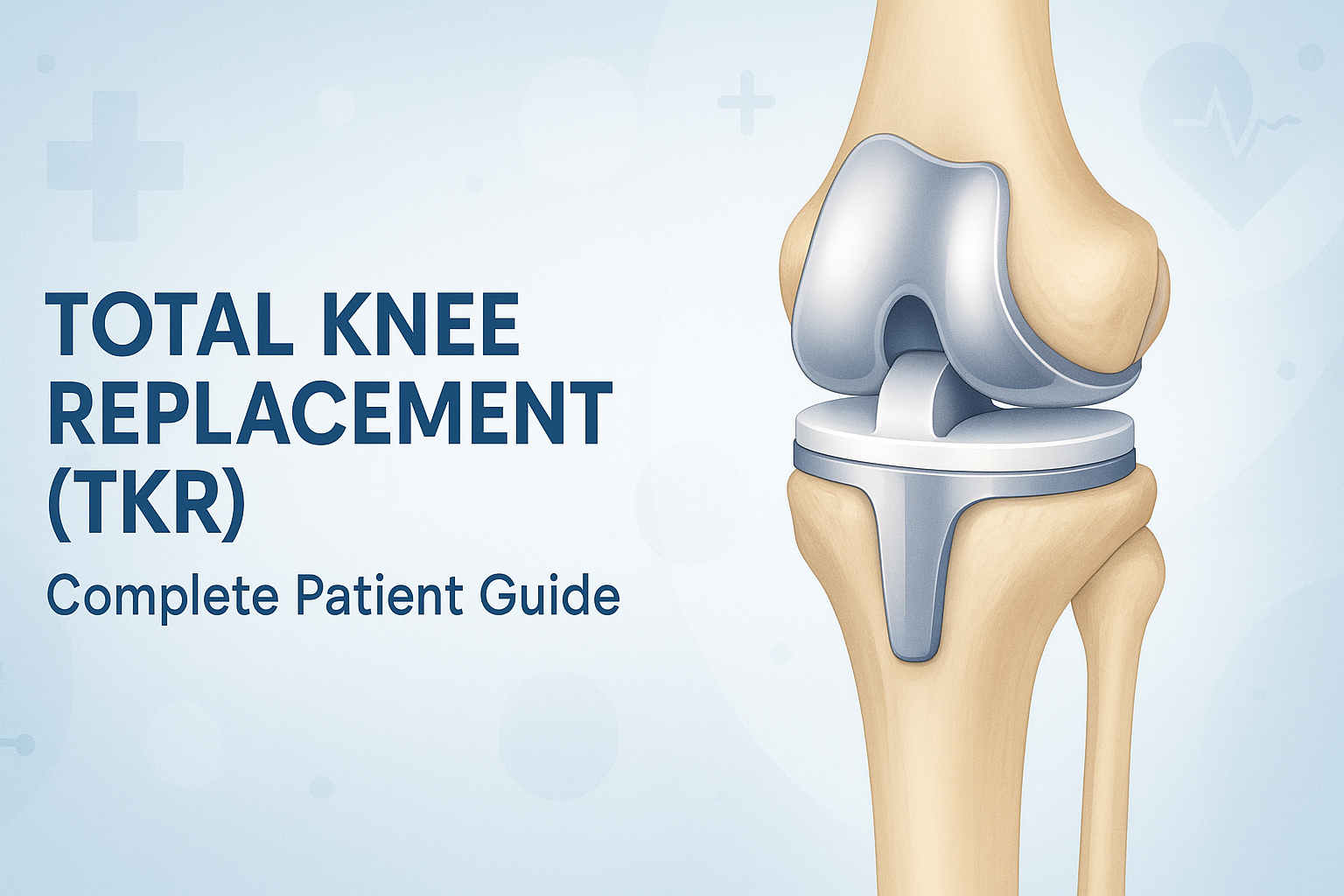
Knee Replacement Surgery in Delhi – Complete Guide to Total Knee Replacement
Total Knee Replacement (TKR), also known as knee replacement surgery in Delhi, is one of the most reliable and life-changing surgical procedures available today for patients suffering from advanced knee arthritis. When pain, stiffness, and joint deformity severely limit movement and affect quality of life, this procedure becomes an effective long-term solution.
The surgery involves removing damaged cartilage and worn-out bone from the knee joint and replacing them with precisely engineered artificial implants that mimic the natural movement and alignment of a healthy knee. If you are considering knee replacement surgery in Delhi, consulting an experienced knee specialist doctor in Delhi NCR ensures better outcomes and long-term success.
When Is Knee Replacement Surgery Recommended?
Your orthopedic surgeon may recommend knee replacement surgery in Delhi when non-surgical treatments such as medication, physiotherapy, lifestyle modifications, and injections fail to relieve pain.
Common conditions that lead to Total Knee Replacement include:
-
Osteoarthritis – the most common cause
-
Rheumatoid Arthritis
-
Post-Traumatic Arthritis
-
Severe Knee Deformity
If pain persists even during rest, walking short distances becomes difficult, or knee movement is severely restricted, surgery may be the best option.
How the Procedure Works
During knee replacement surgery, the surgeon removes damaged bone and cartilage from:
-
The lower end of the femur (thigh bone)
-
The upper end of the tibia (shin bone)
-
Sometimes the underside of the kneecap
These are replaced with high-quality metal and polyethylene components that restore smooth joint movement.
Modern techniques allow minimally invasive surgery with:
-
Smaller incisions
-
Less blood loss
-
Faster healing
The procedure typically takes about one hour, and most patients begin assisted walking within 6–8 hours after surgery.
Advancements in Modern Knee Replacement
Over the last two decades, knee replacement surgery in Delhi has advanced significantly. Robotic-assisted techniques, precision alignment tools, and high-flex implants improve accuracy and implant longevity.
Pain management has also improved through:
-
Regional nerve blocks
-
Multimodal pain control
-
Enhanced Recovery After Surgery (ERAS) protocols
Most patients are discharged within 2–3 days.
Recovery and Rehabilitation After Knee Replacement
Successful recovery depends on surgical precision and structured rehabilitation. Early mobilization begins within 24 hours of surgery.
Post surgery physiotherapy at home plays a critical role in:
-
Restoring range of motion
-
Strengthening surrounding muscles
-
Improving walking pattern
-
Reducing stiffness
Most patients resume daily activities within 6–8 weeks, while complete recovery may take 3–6 months.
A personalized recovery plan provided by a knee specialist doctor in Delhi NCR ensures optimal results.
Longevity of Knee Implants
Modern implants made from titanium alloys and advanced polyethylene can last 20–25 years or longer with proper care.
Maintaining healthy weight, avoiding high-impact sports, and following your surgeon’s guidance help extend implant life.
Regular follow-ups at the best orthopedic clinic in Delhi are essential to monitor implant performance and joint health.
Benefits of Knee Replacement Surgery
Patients experience:
-
Significant reduction in chronic knee pain
-
Improved joint alignment
-
Better walking stability
-
Improved sleep and mood
-
Enhanced independence
For many individuals, knee replacement surgery in Delhi restores not just mobility but overall quality of life.
Frequently Asked Questions
How long does knee replacement surgery take?
The procedure typically lasts about one hour.
When can I walk after surgery?
Most patients begin walking within 6–8 hours with assistance.
How long does a knee implant last?
On average, 20–25 years or more.
Is the surgery painful?
With modern pain control methods, discomfort is minimal and manageable.
When can I return to normal activities?
Most daily activities resume within 6–8 weeks. About 90% recovery occurs in the first 3 months.
Conclusion
Knee replacement surgery in Delhi is a transformative solution for patients suffering from chronic knee arthritis. With advanced surgical techniques, improved implant technology, and structured rehabilitation programs, the procedure has become safer and more effective than ever.
If knee pain is limiting your life despite medication and therapy, consult a knee specialist doctor in Delhi NCR at the best orthopedic clinic in Delhi for a detailed evaluation and personalized treatment plan.