
Medically guided by Dr. Aditya Jain, MBBS, MS Orthopaedics, DNB, MNAMS, Director at StepUp Joints
Doctor Statement
Dr. Aditya Jain, MBBS, MS Orthopaedics, DNB, MNAMS, Director at StepUp Joints, explains that persistent knee pain should be evaluated carefully before considering knee replacement. A detailed clinical examination, appropriate imaging, and assessment of the hip and knee can help identify the source of pain and determine whether non-surgical treatment or joint replacement may be appropriate.
Summary
Best Knee Replacement Surgeon in Delhi involves more than looking at online rankings. Patients should consider the surgeon’s orthopaedic qualifications, relevant joint replacement experience, diagnostic approach, hospital facilities, rehabilitation support, and ability to explain both surgical and non-surgical treatment options. This guide also explains how hip problems can sometimes cause referred knee pain and what patients can expect during their first consultation with a knee and hip specialist.
What Does a Knee Replacement Surgeon Do?
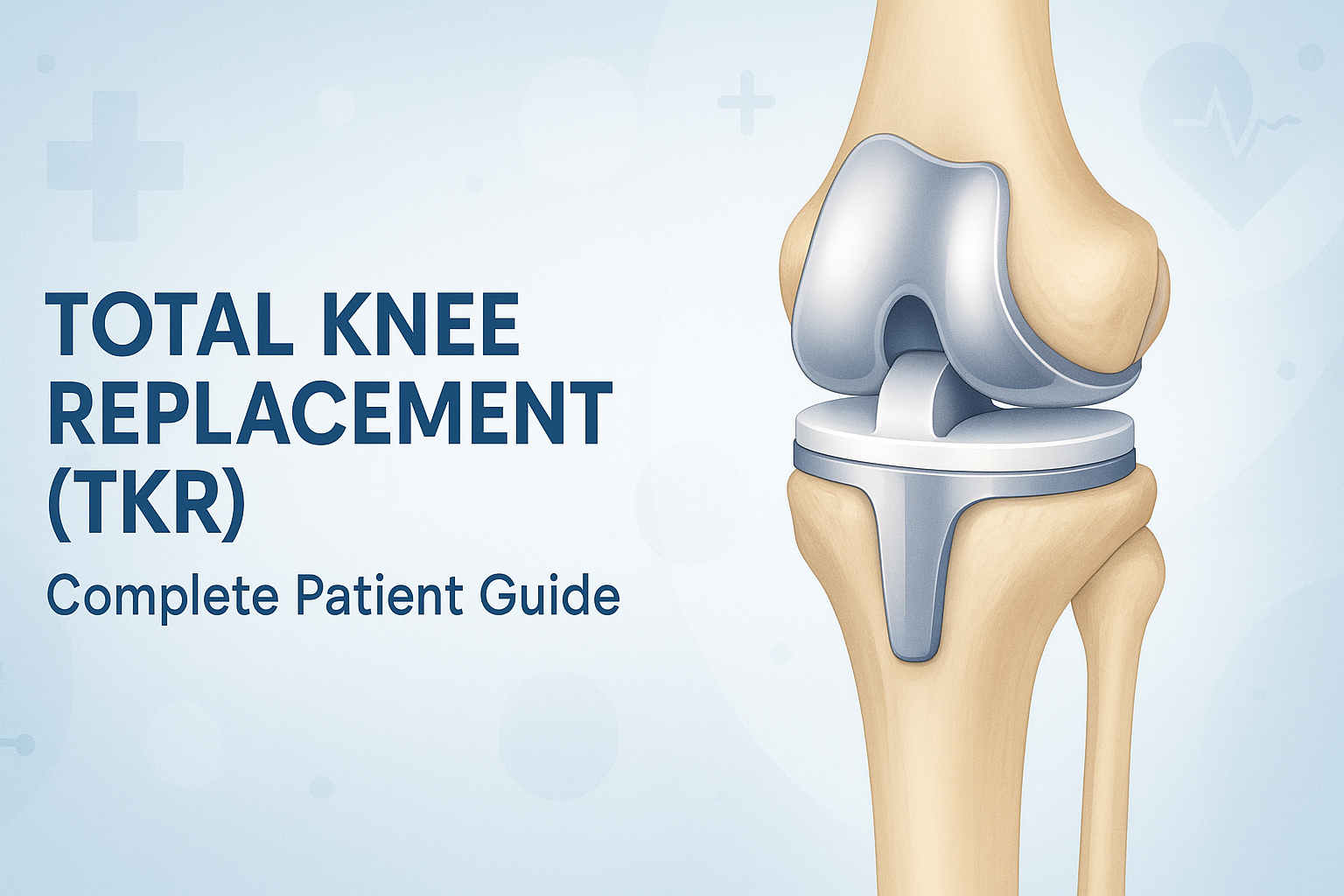
A knee replacement surgeon is an orthopaedist who diagnoses conditions that affect the knee joint and performs surgical procedures for knee joint replacement if deemed necessary.
The procedure is usually recommended when the joint surface has been severely damaged as a result of osteoarthritis, inflammatory, or other condition affecting the joints. During the surgery, the damaged parts of the knee joint are replaced with prosthetic implants to restore its function.
However, not every person who experiences knee pain is a candidate for knee replacement surgery.
A specialist will assess:
- The location and nature of the pain,
- The duration and severity of the symptoms,
- The physical examination results,
- X-ray results, if any,
- Possible treatments tried,
- Functional limitations,
- The patient’s age, level of activity, and general health,
- And other factors.
This is why the knee replacement procedure should start with the diagnostic evaluation, and not the operation. Choosing the Best Knee Replacement Surgeon in Delhi should be based on these facts.
How to Choose the Best Knee Replacement Surgeon in Delhi
Here are a few practical considerations that patients can keep in mind while looking for the best knee replacement specialist.
1. Check Orthopaedic Qualifications
A patient can begin by reviewing the orthopaedic qualifications and the surgeon’s specialist training.
A qualified orthopaedic surgeon will have the necessary medical and orthopaedic training, but additional qualifications and fellowships, professional memberships, and experience with joint replacement could provide additional insight into the orthopaedist’s area of practice.
The patient can further determine whether the orthopaedist’s qualifications and speciality areas meet the patient’s medical needs.
2. Experience With Knee Replacement
Similarly, patients could begin by asking the orthopaedist how frequently they perform knee replacement surgeries and what conditions they typically treat.
The knee replacement procedure can vary significantly for every patient depending on:
- The extent of the joint damage.
- The bone density.
- Ligaments’ condition.
- Knee alignment.
- The history of knee surgery.
- The patient’s age and activity levels.
- Other coexisting health concerns.
An experienced knee replacement specialist can advise on the suitable method for each patient’s knee condition.
When searching for the Best Knee Replacement Surgeon In Delhi, ensure that the advertised areas of experience match the patient’s medical needs.
3. Look for a Proper Diagnostic Approach
A knee replacement specialist should conduct a physical examination to determine the cause of the symptoms and the knee damage.
Knee pain can be caused by osteoarthritis, ligament damage, meniscus damage, inflammatory arthritis, and many other causes.
Moreover, the knee pain may sometimes be referred pain from the hip, so it is important to rule out other conditions, particularly when the hip is inflamed.
A knee replacement specialist can help identify the underlying causes of the knee discomfort.
4. Ask About Non-Surgical Treatment Options
Knee replacement is a significant procedure, so it is natural for patients to be hesitant about whether it is the best option for them.
Non-surgical treatments could consist of:
- Maintaining a healthy weight (when applicable).
- Physiotherapy.
- Rehabilitation and strengthening exercises.
- Changes in activity levels.
- Pain management options.
- Medications (when applicable).
- Management of inflammatory conditions.
The non-surgical techniques for reducing knee discomfort and inflammation depend on the root causes of the knee condition.
Therefore, consultation with the Best Knee Replacement Surgeon In Delhi must cover the pros and cons of knee replacement surgery.
5. Understand the Surgical Recommendation
The patient should ask the orthopaedist to go over surgical options in detail, including the benefits and risks.
Some of the important questions are:
- Why do I need a knee replacement?
- What is the extent of my joint damage?
- What risks and side effects are associated with the procedure?
- How long will the recovery take?
- What kind of therapy will I need after the surgery?
- When will I be able to resume regular activities?
A surgeon should go over the primary indications for the knee replacement, as well as the possible risks and benefits in each case.
6. Evaluate the Hospital and Surgical Facility
While the surgeon plays a critical role in knee replacement care, it is also essential to consider the hospital or surgical facility where the procedure will take place.
Patients should ask about:
- Operation theatre facilities
- Anaesthesia services
- Infection-control practices
- Nursing support
- Physiotherapy and rehabilitation
- Emergency support
- Post-operative monitoring
In addition, knee replacement requires a multidisciplinary healthcare team. Orthopaedic surgeons, anaesthesiologists, nurses, physiotherapists, and other healthcare professionals may all be involved in caring for the patient.
Can Hip Problems Cause Pain in the Knee?
Yes. Sometimes hip conditions can contribute to pain that is otherwise felt in the knee.
It is an important reason why a patient with a persistent knee issue should be given an appropriate clinical examination.
With the lower limb being the link between the two joints, there are conditions that can affect one and contribute to pain and discomfort in the other. The hip, for example, is often a culprit in knee pain cases, being that hip osteoarthritis is commonly associated with groin/thigh pain that sometimes extends to the knee area. This is also referred to as ‘referred’ pain.
Therefore, if knee imaging proves to be inadequate in determining the cause of concern, the doctor might request an examination of the hip.
How Can You Tell Whether Pain Comes From the Hip or Knee?
The location of the pain can be an indicator, but it cannot determine a diagnosis on its own.
Hip pain may consist of:
- Groin pain
- Pain on the side of the front of the thighs
- Unable to put on a shoe or sock
- Restricted movement of the hip
- Painful gait
- Pain radiating towards the knee
- Knee pain may include:
- Pain around the knee
- Swelling
- Stiffness
- Popping/locking
- Difficulty climbing stairs
- Painful rising from a seated position
- Restricted movement
Due to the possibility of similar symptoms, an assessment by a medical professional and diagnostic imaging may be required.
What Should I Expect During My First Consultation With a Knee and Hip Specialist?
Your first visit to the knee and hip specialist is primarily an evaluation. The doctor will attempt to ascertain the nature of your symptoms, identify the likely cause, and determine whether additional tests are needed.
1. Discussion of the Symptoms
The doctor may ask you a few questions, including the following:
- When did the pain start?
- Where is the pain located?
- Is the pain constant or intermittent?
- Does walking exacerbate the discomfort?
- Is there morning stiffness?
- Is there any swelling?
- Are you unable to climb stairs?
- Have you suffered an injury?
- Have you tried medications or physiotherapy?
The doctor will want to know all of these things to determine the nature of the symptoms and what investigations are necessary.
2. Review of Medical History
Your medical history may provide the doctor with valuable context. It is essential that your discuss any injuries, surgeries, arthritis, diabetes, heart conditions, drugs, or allergies during the first visit. A family history and general health and lifestyle habits may also be probed into by the doctor.
If you have already had X-rays, MRIs, blood tests, and consultations, you should bring the results to the hospital.
3. Physical Examination
The doctor will examine both your knees and hips. The examination will focus on range of motion, tenderness, swelling, alignment, and muscle strength, as well as an assessment of your gait. The doctor may also check the stability of your knee and hip joints. Range of motion tests of your hip can also help determine the health of your knee. The doctor might find that the problem lies elsewhere, so it is essential that other joints be examined during the physical exam.
4. Imaging and Other Tests
Based on the findings of the physical examination and medical history review, the doctor may order an X-ray or other diagnostic procedures. The doctor may also request further investigations if the diagnosis is unclear or if an alternative cause for the discomfort must be ruled out. Note that not all patients will require an MRI or exhaustive battery of tests.
When Is Knee Replacement Considered?
Joint replacement may be advised if there is significant joint damage due to pain and joint dysfunction.
Common indications for knee replacement surgery can include:
- persistent pain
- severe stiffness
- limited ability to walk
- trouble climbing or descending stairs
- delays and restrictions in doing ADLs
- evidence of severe arthritis on imaging
- symptoms that impair general well-being
The decision is individualized and depends on overall health and other factors; therefore, a physician’s advice should be sought. The X-ray result is not the only criterion in knee replacement surgery decision-making, although it is an essential part of the diagnostic process. Pain, restricted range of motion, and poor knee function also play a role, as do the patient’s functional abilities and general health status prior to the procedure.
Questions to Ask Your Knee Replacement Surgeon
Before having surgery you should ask yourself these questions:
- What is the reason for my knee pain?
- Do I really need a knee replacement?
- Are there any alternative treatments?
- What kind of knee replacement do you suggest?
- What are the possible risks and complications?
- What type of anaesthesia is performed?
- How long will I have to stay in hospital?
- When will I be allowed to walk again?
- What kind of rehabilitation will I need?
- When will I be able to go back to work and resume with my everyday activities?
- What are the post-surgery controls?
Asking these questions can help you understand the proposed therapy and decide whether to accept or refuse the treatment.
Recovery After Knee Replacement
Each person’s experience of recovery will be different.
In general, it is necessary to restore after surgery:
- knee movements
- muscle strength
- walking ability
- balance
- overall functionality
Physiotherapeutic treatment has proven to be effective in rehabilitation. The individual plan is selected by the doctor, taking into account the patient’s recovery at a given moment, age, state of health, and other factors. To quickly recover after knee replacement surgery, you need to strictly follow all the doctor’s recommendations: take medicines, do therapeutic exercises, take care of the incision site, and come for regular examinations.
Why Rehabilitation Matters
Successful knee replacement care does not end when the operation is completed.
Physiotherapy may assist patients with respect to mobility, strength, flexibility and functional activities after surgery. A structured rehabilitation programme may also assist patients to gradually resume everyday movement.
The specific rehabilitation schedule should be individualized by the treating healthcare team.
Making an Informed Choice
Searching for the Best Knee Replacement Surgeon in Delhi is only one part of preparing for treatment.
Patients should also focus on obtaining an accurate diagnosis, understanding available treatment options, reviewing the surgeon’s qualifications and relevant experience, and choosing a healthcare facility with appropriate surgical and rehabilitation support.
In case you have both hip and knee symptoms, mention all of them at your consultation. Hip conditions can sometimes cause pain around the knee, and evaluating the entire lower limb can assist to identify the actual source of symptoms.
Conclusion
To find the best knee replacement surgeon in Delhi, you cannot rely solely on the internet. In addition to online reputation and advertisement, one needs to look at orthopaedic credentials, knee replacement experience, diagnostic approach, communication, hospital affiliations, rehabilitative resources, and options of non-surgical treatment.
Moreover, it is essential to establish if one’s main concern is in the knee or another nearby joint such as the hips. Often, a knee problem can imitate a hip condition and vice versa, which is why a comprehensive evaluation is crucial for people experiencing discomfort in any of these areas.
Lastly, if you are having difficulties with walking and your knee pain limits daily activities, the orthopaedic surgeon will be able to provide you with a complete diagnosis and suggest treatment options.
About Dr. Aditya Jain: Dr. Aditya Jain, MBBS, MS Orthopaedics, DNB, MNAMS, is Director at StepUp Joints and Orthopaedic Surgeon with interest in joint replacement, sports medicine and trauma.
Frequently Asked Questions
1. Can hip problems contribute to pain in the knee?
Yes. Some hip conditions can involve pain which radiates to other areas. Hip osteoarthritis can cause pain in the groin or thigh and occasionally round the knee. If your knee symptoms are not consistent with those in your knee, your doctor will check your hip as well.
2. What should I expect at my first appointment with a knee and hip specialist?
The first visit will usually involve your symptoms and medical history being discussed and an examination of your knee, hip and possibly gait. The doctor may also want to review any reports and imaging you bring in and order X-rays or other tests. You should also have a discussion about treatment and what you need to consider if non-surgical treatment is not possible or appropriate.