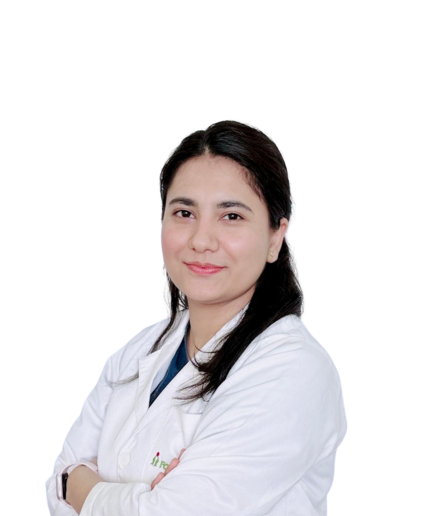
Medically guided by Dr. Neha Narula (PT), Head of Physiotherapy & Rehabilitation
Doctor Statement
Dr. Neha Narula (PT), Head of Physiotherapy & Rehabilitation at StepUp Joints, emphasizes that post-surgical rehabilitation should be gradual, structured, and individualized according to the type of surgery and the patient’s recovery. Managing swelling, restoring range of motion, rebuilding strength, and progressing functional activities under appropriate professional guidance can support a safer and more effective return to daily movement.
Summary
Post-Surgery Orthopedic Rehabilitation Delhi focuses on helping patients recover movement, strength, mobility, and function after orthopaedic surgery. This guide explains the role of physiotherapy in managing swelling, improving range of motion, strengthening muscles, and gradually returning to everyday activities. It also covers common rehabilitation stages, exercise categories, recovery tips, and warning signs that may require medical attention.
What Is Post-Surgery Orthopedic Rehabilitation?
Post Surgery Orthopedic Rehabilitation in Delhi is rehabilitation care which is availed after undergoing certain orthopedic procedures involving joints, bones, muscles, ligaments, and tendons.
There may be huge difference in terms of this rehabilitation depending upon the type or form of surgery undergone. For example, rehabilitation in case of knee replacement surgery will be totally different from rehabilitation undergone in the case of ACL reconstruction, rotator cuff repair or hip replacements.
Some of the major goals of a rehabilitation program include the following:
- Controlling swelling
- Restoring the joint mobility
- Building muscle strength
- Increasing mobility step by step
- Getting better in the walking
- Improving balance and coordination
- Getting back to doing everyday things
- Ensuring safe return to work or sports
It must also be acknowledged that this rehabilitation is not only about doing the needed exercises but following every restriction and step as suggested by a doctor or physiotherapist.
Why Is Rehabilitation Important After Orthopaedic Surgery?
Immediately following surgery, the patient may experience pain, swelling, stiffness, reduced muscle strength, and limited movement.
If rehabilitation is not carried out, prolonged inactivity may lead to stiffness and weakened muscles. A well-planned rehabilitation program can help the patient overcome these challenges by facilitating functional movement.
The following benefits of Post-Surgical Orthopedic Rehabilitation in Delhi can be noted:
Increased Range of Motion
After surgery, patients may suffer from joint stiffness. However, proper exercises can help them restore mobility gradually and achieve the required range of motion.
Increased Muscle Strength
The muscles in the area of the joint may become weaker due to pain and inactivity. However, muscle strengthening can help them resume functioning properly.
Improved Mobility
Physical therapy can help the patient to master safe usage of crutches, walkers, or other assistive devices when necessary.
Increased Functional Independence
One of the ultimate goals of rehabilitation is to enable the patient to live a normal life, including carrying out daily activities such as walking, stair climbing, dressing, bathing, and doing house chores.
Managing Swelling After Orthopaedic Surgery
Swelling occurs in many different types of orthopedic surgeries. The severity and duration will depend on the specific type of surgery performed, how well the person heals, activity level, and other factors.
Too much swelling can cause discomfort when moving and lead to stiffness.
The way swelling is treated after surgery will depend on what the patient’s doctor says to do. Some possible treatments may be:
- Keeping the leg elevated
- Performing only the activities that are allowed
- Doing mild exercises if permitted
- Applying ice packs when instructed
- Wearing a compression bandage if advised
- Taking medications as prescribed
- Not increasing any activities suddenly
It is very important that the patient follows the doctor’s orders closely when it comes to the management of swelling.
What Is Range of Motion?
The term range of motion describes the limit a joint has on movement in many directions.
Following an orthopaedic procedure, it is common that the range of motion will decrease temporarily due to:
- Inflamation
- Discomfort
- Involuntary muscle protection
- Being kept still
- Reasons related to the surgery
- Moving less
The rehabilitation process may depend on the specific procedure being performed.
For example, rehabilitation after joint replacement differs from rehabilitation after auplasty.
Steps in Post-Surgery Orthopedic Rehabilitation
The steps involved in the process of rehabilitation after orthopedic surgery varies based on the surgical procedure carried out. However, there are a few steps which are part of the process of rehabilitation.
Step 1: Initial Protection and Recovery
Post-surgery it is critical to ensure safety of the surgical area and making sure mobility at the same time thus allowing the patient to minimize the risks of developing complications associated with restricted mobility.
Physical therapy in this phase may include:
- Moving in bed safely;
- Changing positions;
- Being assisted in moving around;
- Doing some less vigorous exercises;
- Controlling the fluid retention in the body, and, if required;
- Performing breathing exercises.
Step 2: Restoring Mobility and Movement
As soon as the surgical team authorizes the patient to move about normally physical therapy becomes essential for correct restoration of mobility of the patient.
Among the exercises that may be carried out by the patient might be prescribed a combination of different techniques aimed at facilitating the process of restoring the necessary range of motion.
The patient needs to stop referring to his limitations imposed by the medical staff.
Phase 3: Strengthening
Once healing has set-in, it is time to begin adding or increasing strengthening exercises.
These exercises will not only involve the muscles around the joint that has been operated on but will also involve other supporting muscles as well.
Depending on the type of operation performed, exercises during this phase may vary and include:
- Isometric strengthening
- Resistance band exercises
- Body weight exercises under control
- Functional strengthening
- Progressive resistance training
- With regards to intensity, progression is gradual.
Phase 4: Functional Rehabilitation
Later rehabilitation will focus on the activities of daily living, which generally include:
- Walking
- Stair climbing
- Seating and standing
- Balanced activities
- Squatting as deemed appropriate
- Work related activities
- Sport-related activities where applicable
Functional rehabilitation can assist in transitioning from simple exercises to the beginning of normal activities.
Common Exercises After Orthopaedic Surgery
The exercises to be performed after a specific surgery should always match the type of surgery and the patient’s recovery plan.
There are some typical group of exercises that can be used:
Ankle Pumps
Ankle workouts can be done at the beginning of recovery when allowed. They help to stimulate the movement of the lower limb and keep circulation going.
Quadriceps Sets
They mean activating the thigh muscles without any significant movement of the joint. Such exercises can be recommended after some operations on the lower limbs.
Straight Leg Raises
Such exercises can be offered in specific rehabilitation programs as soon as the patient can perform them without any problems.
Heel Slides
Heel slides involve some bending and straightening of the knee joint which can be used to improve mobility of the knee in relevant cases.
Gentle Mobility Exercises
Controlled activity can help restore mobility in a gradual way according to the surgical requirements.
Note: Not all exercises can be done after each surgery. For instance, when specific ligaments or tendons are used, some limitations are required early in the healing.
How Physiotherapy Helps With Range of Motion
Physical therapy after orthopedic surgery is a vital aspect of rehabilitation in the country of Delhi as it allows the program to be modified in accordance with a person’s progress.
A physiotherapist’s assessment may include:
- – Range of motion at the joint
- – Force of muscles
- – Degree of edema
- – Level of pain on movement
- – kinesiological pattern of walking
- – Postural stability
- – Self-care limitations
It may require some patients to emphasize restoration of movement while others may be taking the strengthening or gait retraining approach to get results.
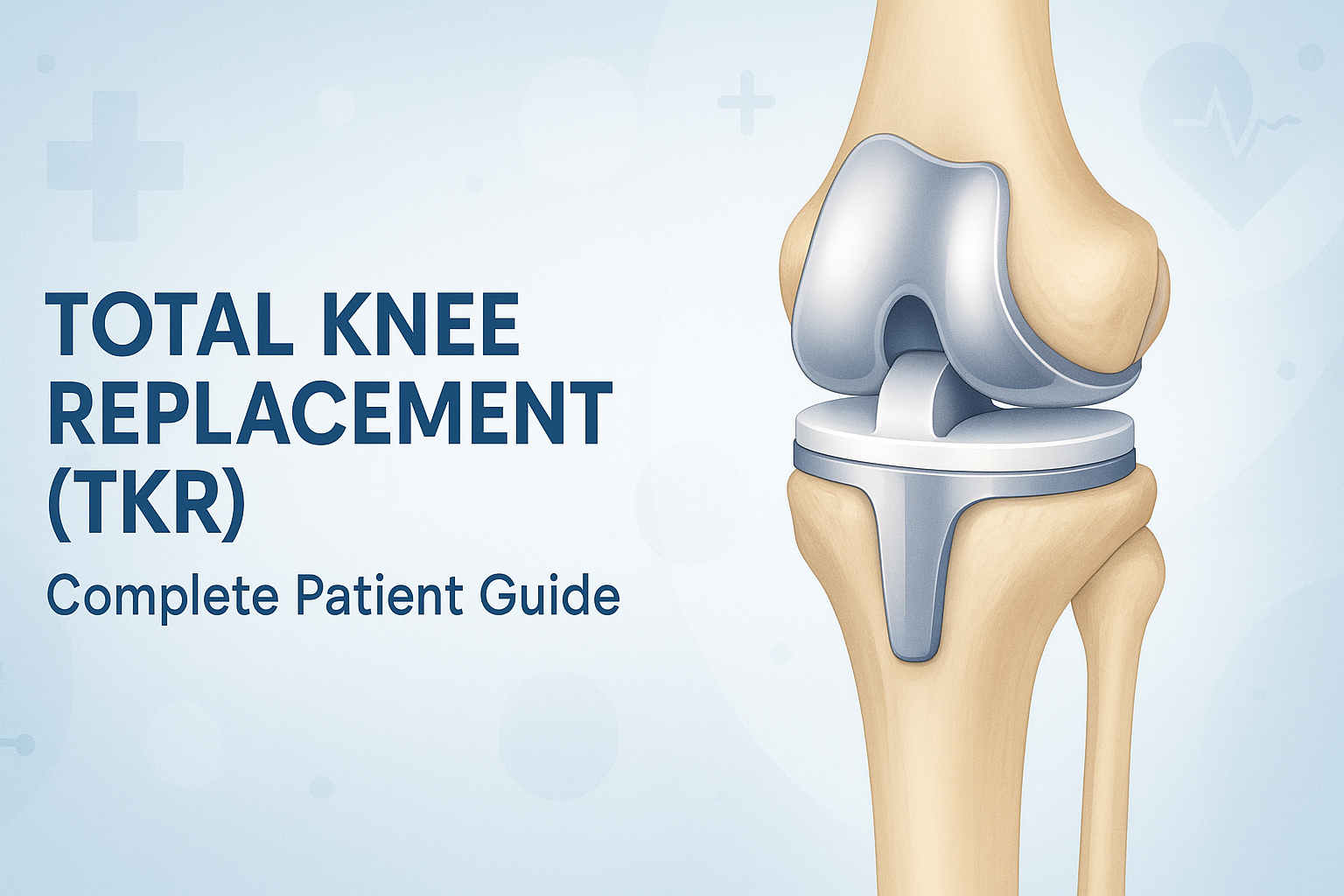
Recovery After Knee Replacement
Knee replacement is a procedure in which structured rehabilitation is important.
At first, rehabilitation concentrated on:
- walking safely
- knee mobility
- control of swelling
- stimulation of muscles
- moving from one place to another
- the performance of everyday tasks
The rehabilitation exercises used later may become increasingly difficult, including exercises to increase strength, balance, climbing stairs, and practicing functional skills.
The rehabilitation period differs from one person to another and cannot be judged by somebody else’s experiences.
Recovery After Hip Replacement
Rehabilitation following hip replacement involves walking exercises, strengthening, balance training, and functional training of the patient.
Depending on the type of surgery and the individual situation of the patient, the physiotherapist provides particular instructions for the first few weeks after surgery.
The physiotherapist teaches how to move safely while increasing the level of activity, so that it fits the surgeon’s order.
Recovery After Sports or Ligament Surgery
Following ACL reconstruction, meniscus, or other sports surgeries, rehabilitation may be carefully structured since the repaired tissue would need to be protected at different stages of its recovery.
Rehabilitation can usually consist of:
- Protection
- Mobility
- Activation
- Strengthening
- Balancing
- Exercising
- Specialized training as required.
The duration and the number of sessions will depend on the type of treatment and the rehabilitation program for each individual.
Tips for a Safer Recovery
Patients who receive Post-Surgery Orthopedic Rehabilitation in Delhi should understand a few key principles in order to aid their recovery process.
Adhere to the Surgery Protocol
One should not assume what works for one person will automatically work for another—merely because the nature of surgery does not follow any one pattern. It is therefore important to stick to the guidelines laid down by the surgical and rehabilitation teams.
Do Not Rush to Progress
One must avoid the temptation of intensifying workouts too quickly, which may lead to pain and swelling. The process should mostly be slow-paced.
See your Doctor Regularly
Regular appointments help doctors assess the recovery and change the restrictions and recommendations.
Eat a Well-balanced Diet
Recovery needs proper intake of protein, vitamins, minerals, and fluids, due to the existing variations in the nutritional needs of patients.
Get Enough Sleep
Balancing appropriate activities with enough rest is a crucial aspect of the recovery.
When Should You Contact Your Doctor?
Certain post-operative signs necessitate immediate review by a health provider.
It is advisable to consult your doctor if you notice:
- Sudden and rapid increase in your swelling
- Excessive and growing pain
- Rise in temperature
- Increasing redness or heat around the wound
- Discharge from the wound
- Swelling or pain of the calf
Problem with breathing or chest painSudden onset of weakness or incapability of movement
While these signs can indicate various issues some of which may call for urgent intervention.
How Long Does Orthopaedic Rehabilitation Take?
Every patient does not have the same recovery period.
Recovery is influenced by:
- Type of surgery
- Level of tissue damage
- Patient’s age
- State of health
- Fitness level before surgery
- Muscle capability
- Pain and swelling
- Planned rehabilitation
- Surgery limitations
As people heal differently, some may be able to recover from surgery in days while others may require several months of rehabilitation after complicated operations.
Thus, the main goal needs to be consistent progress rather than recovery comparison.
Choosing Orthopaedic Rehabilitation in Delhi
Patients inquiring Post-Surgery Orthopedic Rehabilitation Delhi might want to find out a physiotherapy programme that ensures individual evaluation and regular updates.
The elements to consider:
- Professionals qualified in physiotherapy
- Experiences in orthopaedic rehabilitation
- Specialized exercise plans
- Communication with the doctor
- Tracking the improvement of movement and strength
- Functional rehabilitation
- Educational support for the patient
- Follow-ups
Multidisciplinary treatment is beneficial after significant surgeries in orthopaedics.
Conclusion
Orthopaedic Rehabilitation in Delhi is a crucial aspect of the recuperation process after any orthopedic surgery. The organized rehabilitation plan aims to handle swelling, mobility range, weakness of the muscle strength, functionality, and balance without interfering with the healing process of the surgery.
Rehabilitation has nothing to do with the speed of the recovery. It implies that the recovery process is gradual, there is proper fitness program, monitoring, and communication between the surgeon, physiotherapist, and the patient.
In case you have had surgery on knees, ankles, or any other part of the musculoskeletal system, talk to your doctor about your rehabilitation program, and make sure you follow the restrictions as well as exercise regime laid out for your surgery.
Frequently Asked Questions
1. How soon should physiotherapy begin after orthopaedic surgery?
Physiotherapy starts depending on the kind if surgery employed plus the choice in treatment by the surgeon. Some specific operations allow starting recovery really early while others require some time where certain precautions are observed. The choice regarding rehabilitation commencement should be agreed by both surgeon and physiotherapist.
2. How can I reduce swelling after orthopaedic surgery?
Depending on the kind of surgery swelling can be managed with the help of elevation, proper movement, cold application, compression (only if needed), and adherence to movement restrictions if the ones should be observed after the operation. Always follow the instructions of the surgical team.
3. How can physiotherapy improve range of motion after surgery?
Physiotherapist can prescribe movements according to the rehabilitation rehabilitation program and apply various techniques in order to restore joint movement. Progress in recovery should be slow and indicated by the patient’s condition.
4. How long does post-surgery orthopaedic rehabilitation take?
The recovery duration depends on the type of operation and the body readiness to healing. Basic function can appear in a few weeks after a simple operation while some complex surgeries may need much longer time for total recovery.
Book an Orthopedic Consultation in Delhi
Experiencing persistent joint pain, stiffness, swelling, or difficulty moving after an injury or surgery? StepUp Joints provides expert orthopaedic consultation, physiotherapy, rehabilitation, and joint care in Lajpat Nagar, Delhi.
Book an appointment with our specialist team to discuss your symptoms and understand the appropriate next steps for your recovery.
📍 StepUp Joints: 1st Floor, 17-A Ring Road, Vikram Vihar, Lajpat Nagar 4, New Delhi – 110024
📞 Call: +91-7042787560
🕘 OPD: Monday–Saturday, 9:00 AM–9:00 PM