Medically guided Dr. Naman Wahal Shoulder & Sports Orthopaedic Surgeon says : –
Doctor Statement – Dr . Naman Wahal
Dr. Naman Wahal (MBBS, MS Orthopaedics — AIIMS, MAMC), specialist Shoulder & Sports Orthopaedic Surgeon at StepUp Joints, explains that recurrent shoulder dislocation should be evaluated based on shoulder stability, injury pattern, activity level, and recurrence risk. While non-surgical stabilization may benefit selected patients, surgery may be considered when instability persists or structural damage is present.
Summary
Recurrent shoulder dislocation can cause pain, weakness, instability, and repeated episodes of the shoulder “slipping out.” Treatment depends on factors such as the patient’s age, activity level, number of dislocations, extent of ligament or bone damage, and overall shoulder stability. Non-surgical stabilization with physiotherapy, strengthening exercises, activity modification, and gradual return to movement may be effective for selected patients. However, patients with repeated dislocations, significant structural damage, or high-demand sports requirements may benefit from shoulder stabilization surgery, such as arthroscopic Bankart repair. Early evaluation by an experienced shoulder specialist can help determine whether conservative treatment or surgery is more appropriate and reduce the risk of further instability.
What Is Recurrent Shoulder Dislocation?
The shoulder is the most mobile large joint in the body. This mobility enables movements such as abduction, elevation, rotation, throwing, pushing and reach; however, it also predisposes it to instability. A dislocation of the shoulder occurs when the glenohumeral ball (humerus) or dislocates from the glenoid socket.
An anterior shoulder dislocation is more common: here the humeral head is displaced forward.
Following a primary shoulder dislocation the structures supporting the joint are often strained and damaged. These may consist of the capsule, labrum, ligaments and potentially bone. Recurring instability of the shoulder develops as recurrent (repetitive) subluxations of the shoulder joint. It can develop following injury or in some patients due to an inherently unstable shoulder the joint may sub lux during the course of normal day to day activities.
Why Does the Shoulder Keep Slipping?
This repeated instability is most frequently attributed to structural changes induced by the initial traumatic event and/or recurrent injuries. A Dislocation of the shoulder may cause the labrum, which provides much stability to the shoulder socket, to become damaged. A Bankart lesion-avulsion of the anterior-inferior labrum and capsule from the glenoid-is a typical type of lesion produced by an anterior shoulder dislocation.
Occasionally, recurrent dislocation may cause additional damage to glenoid or to the humeral head.
With each event, further instability may arise with greater frequency. Recurrent shoulder symptoms should not be treated by repetitively relocating the shoulder but a causative agent sought out.
Common Symptoms of Recurrent Shoulder Instability
The patient could feel…
- That shoulder slipping
- Recurrent dislocations
- Sliding out part way only (called subluxation)
- Achiness with certain movements
- Fear when lifting the arm
- Low confidence during sports
- Feeling of looseness/ weakness
Trouble lifting above the shoulder level
Some athletes will actually avoid any position altogether fearing a dislocation of the shoulder: psychological aspect of this is critical. This fear of reinjury can translate into movement modification, decreased participation and general deconditioning of the athletes bodies.
Can Recurrent Shoulder Dislocation Be Treated Without Surgery?
Non-operative treatment is indicated in some appropriate patients.
A targeted rehabilitation Programme to restore dynamic stability of the shoulder, strengthen its controlling muscles, and improve coordination.
The patient will undertake:
- Rotator cuff strengthening
- Scapular strengthening
- Shoulder ROM exercises
- Proprioception
- Functional rehabilitation
- sport specific training
- re-learning of movements
- education about dangerous positions
However non-operative rehabilitation cannot correct every structural failure. The degree to which a patient can benefit from non-operative treatment is, in part dependent on the specific etiology of instability. A patient suffering recurrent traumatic dislocations will respond differently from a patient with hypermobility and no significant structural defect.
The Role of Physiotherapy in Shoulder Stabilization
Physiotherapy is a vital part of shoulder dislocation management in Delhi, whether managed surgically or conservatively.
Rehabilitation aims at more than just muscle strength- it targets how the complex of the shoulder actually moves together.
The rotator cuff is responsible for keeping the humeral head within the shoulder socket when moving. The muscles that control the shoulder blade (scapula) are also responsible for how well the shoulder works overall.
A physiotherapist might aim to train your:
Range of motion Activation of the muscles Strength of the muscles Dynamic stability to improve coordination of movements Function-related movement Sport-specific actions
Your individual therapy is modified based on symptoms, your age, profession, athletic pursuits, and clinical assessment.
When Is Surgery Considered?
Surgery might be pursued if there is ongoing recurrent instability despite adequate physiotherapy or the type of injury makes stabilisation surgery the appropriate choice.
Possible factors involved in the decision would include:
- Several documented dislocations
- Major labral pathology
- Bankart lesion and instability
- Bone loss
- Recurrent instability despite physiotherapy
- Persistent apprehension or functional limitations
- Structural damage that makes non-operative treatment less likely to succeed
What Is Bankart Lesion Surgery?
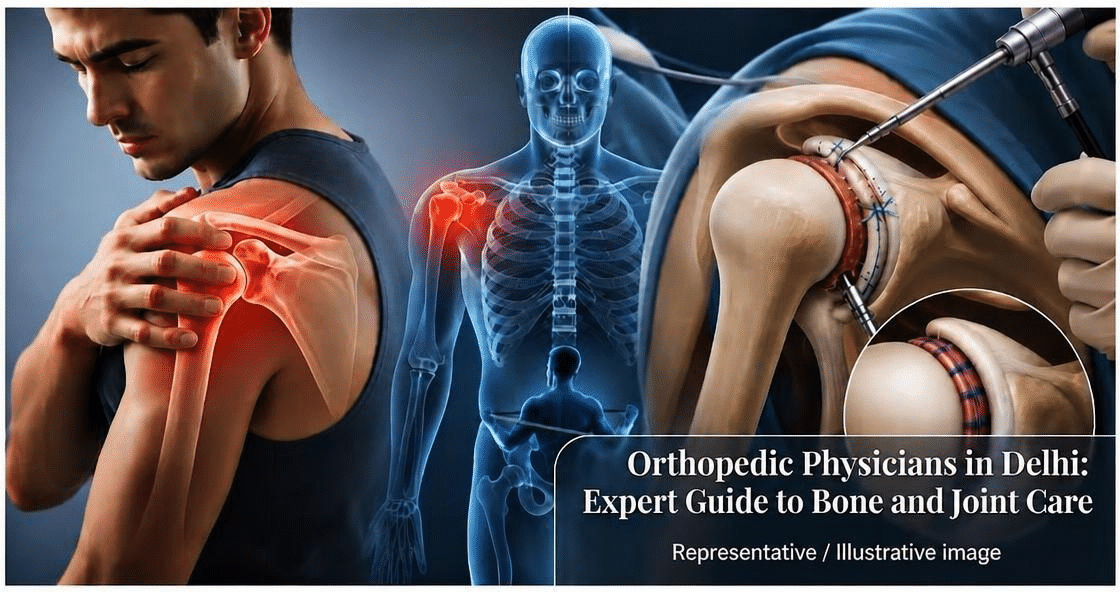
It happens when the anterior labrum and capsule are peeled off the socket due to anterior shoulder dislocation. If this condition is contributing to recurrent instability, the patient may benefit from arthroscopic stabilization. During arthroscopic Bankart repair, the surgeon will make several small incisions in the shoulder and insert a tiny camera into the shoulder joint to inspect the labrum/capsule.
Anchors and other fixation methods will be used to repair the detached labrum/capsule to the shoulder socket.
Specific details about the procedure will vary among individuals depending on their particular anatomy, along with any associated injuries. All patients with a Bankart lesion do not need to have surgery. It depends on many factors that may include the significance of the lesion in a functional sense, the degree of bone loss at the glenoid, whether the patient is an athlete, the pattern of recurrent episodes, and several other factors.
What Is the Difference Between Non-Surgical Treatment and Surgery?
The comparison is not simply “easy treatment versus major treatment.” Each approach has specific indications.
| Factor | Non-Surgical Stabilization | Surgical Stabilization |
| Main approach | Rehabilitation and activity modification | Repair or stabilization of damaged structures |
| Best suited for | Selected patients without major structural instability | Recurrent instability or significant structural damage in appropriate patients |
| Focus | Muscle control and dynamic stability | Restoration of structural stability |
| Recovery | Progressive rehabilitation | Surgery followed by structured rehabilitation |
| Sports return | Gradual, depending on stability and function | Gradual, after healing and rehabilitation |
| Recurrence risk | Depends strongly on patient and injury pattern | Depends on procedure, anatomy, rehabilitation, and patient factors |
Neither option should be chosen without a proper clinical evaluation.
Recurrent Shoulder Dislocation in Athletes
Contact and overhead sports make athletes prone to shoulder instability.
Football, wrestling, cricket, basketball, volleyball, swimming and sports which require throwing are examples of games that stress the shoulder. An individual could be physiologically powerful, yet unstable, if the mechanical integrity is lost. Therefore, return-to-sport programs address issues such as relieving pain, and may involve rehabilitation to test.
- Strength of the shoulder
- ROM of shoulder
- Control of the scapular muscles
- Rotational shoulder strength
- Endurance of shoulder muscles
- Reaction/coordination
- Sport specific movements
- Psychological confidence
This programs not only attempts to rebuild the strength and mechanics, but also the psychological aspects for the athlete.
Why Imaging Matters
While a clinical examination is crucial, imaging is essential to visualize the structural state of the shoulder. Based on the history and physical examination, appropriate x-rays, MRI, MR Arthrogram, or CT scan may be prescribed to assess the labral tear, bone defects, bone loss, humeral head lesions, alignment and other associated injuries. The decision of which imaging modality to use will depends on the case, and will be of prime importance in preoperative decision-making as significant loss of bone and other defects can lead to selection of a specific stabilization technique.
How Does Recovery Differ After Surgery?
The recovery period after stabilization surgery is a long one.
In the beginning the treatment’s primary goal is protecting the repair and safe motion within parameters given by the surgeon. Progressive rehabilitation includes ranging, strengthening, control of shoulder, return to functional activities, and ultimately return to sport.
It is important to remember that symptom improvement alone does not indicate that healing tissues are sufficiently mature for uninhibited activity.
Return to throwing, contact sport, weights, or overhead activity prematurely may be associated with recurrent injury.
Well formulated physiotherapy plan is the corner stone for the management of shoulder dislocation in Delhi. This treatment includes both surgical and non-surgical interventions.
Can You Prevent Another Shoulder Dislocation?
To prevent future injury first and foremost it is important to know why the instability occurred. Patients can lower preventable risk by:
Completing the recommended rehabilitation program
- Improving rotator cuff and scapular strength
- Avoiding premature return to high-risk activities
- Following sport-specific conditioning programs
- Maintaining good movement control
- Attending follow-up appointments
- Gradually progressing training intensity
Prevention is not possible in all structural injury so recurrent instability should always be investigated instead of treated repeatedly as ‘another problem that will heal eventually.
What Should You Do After a Shoulder Dislocation?
Refer any patient with a suspected shoulder dislocation to a health professional for assessment.
Do not try and pop the shoulder back in again yourself several times, especially if the patient is extremely painful, has numbness or weakness or has an obvious deformity of the shoulder.
Appropriate follow up for the patient after the shoulder has been reduced can be organized, to assess the patient for injury that could lead to repeat instability of the shoulder.
First shoulder dislocation alone may not always be a first occasion, if the patient is young, active, in a high-risk sport.
Why Early Assessment Matters
Repeated shoulder instability tends to have an increasing number of nuisances associated with it: At first, an occasionally slipping shoulder can be acceptable, but it then starts to have a significant impact on occupation, recreation, exercise, and general lifestyle. Further to this there is a potential concern about performing certain motions. By having the shoulder evaluated early on by the clinical team we are able to establish the pattern of the instability, whether there are alternatives to rehabilitation, and decide when further investigation and stabilization should be sought.
For the people who are searching for the shoulder dislocation treatment Delhi.
They are need to think to get properly evaluated and don’t rush for surgery.
Conclusion
But it is much more than one episode, even a few. Recurrent dislocation, it can signal an inherent instability of the capsule, ligaments, labrum and/or bone. While some people benefit substantially from non-operative methods of stabilisation, such as progressive physiotherapy, power work, movement retraining and modifying activity; others-especially those with repetitive traumatic instability or substantial structural injury, may benefit more from structural stabilisation by means of surgery.
One of the structural injuries that can cause repetitive anterior instability is that of a ‘Bankart lesion’, but other than that one finding, treatment choices need to be made, taking the whole picture into consideration.
So, what is the correct management path for shoulder dislocation Delhi? It is a personalized journey. Diagnosis is paramount, structures assessed and requirements considered, and then a clear plan of rehabilitative strategy defined.
Frequently Asked Questions
-
A recurrent shoulder dislocation can heal without surgery, or can it?
While some patients may get better with supervised therapy and avoiding aggravating activity, a true structural problem resulting from repeated trauma (recurring traumatic instability) is often best corrected by stabilization of the shoulder with surgery. Treatment will vary between patients.
-
What is a Bankart lesion?
A Bankart lesion is damage at the anterior-inferior glenoid rim, typically involving the labrum and anterior capsule, which often accompanies an anterior shoulder dislocation.
-
Is a Bankart lesion always treated with surgery?
No. Treatment must be individualized and depends on the symptoms, the presence or absence of instability, the structure damaged, a history of recurrence, activity desires, and response to conservative care.
-
Are there specific exercises to rehab a shoulder with instability?
Rehab of shoulder instability typically consists of rotation cuff strengthening, scapular stabilization, balance activities and the other senses that can be altered (proprioception), mobility, and graded activities. The overall program needs to fit the condition and activities of the patient.
-
Can an athlete return to sports postoperatively for shoulder stabilization?
Many patients are able to return to athletic endeavors following shoulder stabilization and subsequent rehab. The time interval varies with the injury, repair done, the sports participated in, healing, restoration of function, and degree of strength achieved.