Medically reviewed by: Dr. Pallavi Sharma
[Qualification: MBBS — Batch Topper, MD Psychiatry ]
[Specialty: Consultant Psychiatrist at Fortis Escorts Hospital, New Delhi and StepUp Joints, Lajpat Nagar 4. With over 6 years of clinical experience ]
[ DMC Registration No : – 109428 ]
[Clinic: StepUp Joints, Lajpat Nagar, South Delhi ]
Last reviewed: [14 – November -2026]
Doctor’s Statement
Doctor’s Clinical Perspective – Dr. Pallavi Sharma
“Chronic pain can affect both physical and emotional well-being. Persistent discomfort may interfere with sleep, mood, concentration and everyday activities. Anxiety, depression and stress can also influence how the nervous system processes pain. Understanding these connections helps healthcare professionals consider both physical and psychological factors when planning individualized care.”
Dr. Pallavi Sharma
MBBS, MD Psychiatry
Consultant Psychiatrist
Introduction
Can stress make your pain feel worse? Why can some people feel worse after not sleeping or when feeling anxious?
Many people suffering with chronic pain will be familiar with these questions. Chronic pain such as back pain, joint pain, headaches or muscular pain can cause problems with sleeping, working, relationships and your emotional wellbeing. Over time, people can begin to feel frustrated causing them to feel anxious or depressed.
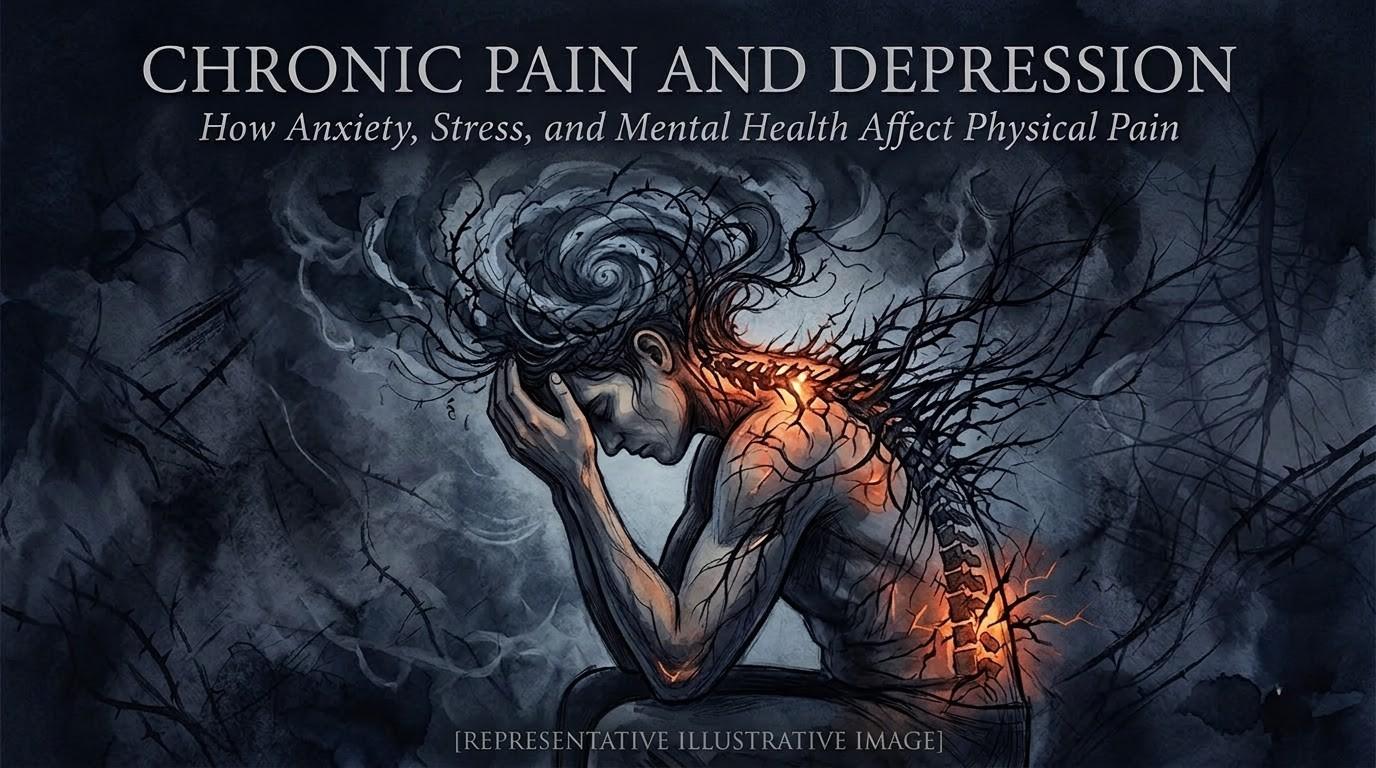
Chronic pain and depression can be complex. There is a strong link between physical pain and mental health as the brain, nerves and other bodily functions are all closely linked. Whilst anxiety, prolonged stress and lack of sleep can effect your sensitivity to pain, prolonged pain can affect your mood and quality of life.
It is important to note that physical pain is not fake and can be caused by a range of factors such as physical, neurological and psychological factors.
In this article we will look at how chronic pain can affect your mental health, how the pain stress cycle works and how medical treatments, psychological support and the appropriate level of physical activity can help patients manage their symptoms.
What Is Chronic Pain?
Chronic pains are pain which persists for longer than three months. This is different to acute pain as it can cause pain even when your injury/illness has healed.
It can be caused by various conditions including:
- Osteoarthritis and arthritis related joint issues
- Chronic back or neck pain
- Fibromyalgia
- Migraines and recurring headaches
- Neurological pain
- Inflammatory conditions
Chronic pain can affect people to different extents. Some people may experience continuous pain whereas others may have periods of pain.
This pain can be more severe, persistent and effect them more in relation to their daily activities.
Understanding the Connection Between Chronic Pain and Depression
There are several associations between physical pain and psychological well-being.
All information is processed in the brain, meaning that long term pain can impact upon your psychological well-being and psychological difficulties can impact how you feel pain.
This can cause:
- Poor sleep due to constant pain.
- Low social activity due to lack of mobility.
- Frustration due to difficulties with everyday activities.
- Higher levels of anxiety due to unpredictability of symptoms.
- Lack of motivation, concentration and coping skills due to depression.
Chronic pain can often have a reciprocal relationship with depression. Chronic pain can cause symptoms of depression and depression can make current pain worse.
Not everyone will suffer from depression due to chronic pain and there are many reasons that someone may be experiencing physical discomfort.
The Chronic Pain Loop: How Anxiety and Stress Amplify Physical Pain
We can look at this by looking at the chronic pain loop.
This can happen because of:
Physical pain: The pain can lead to difficulties with everyday tasks such as walking, working, exercising or sleeping.
Emotional issues: As you will find your routine has changed, you may feel less independent and uncertain about your symptoms leading to feelings of being frustrated, anxious or sad.
Sleep problems: With physical pain and emotional issues it can trouble you falling asleep or staying asleep.
Increased sensitivity to pain: With poor sleep and ongoing stress this can affect how well your nervous system regulates your pain.
Avoiding activity: Some people will try to avoid activity due to fear of pain.
More emotional issues: Due to reduced activity, isolation and ongoing symptoms you can begin to feel anxious or low.
Not everyone will experience this cycle, however recognizing there can be a link can help patients and healthcare professionals understand that looking after your physical and emotional wellbeing can be beneficial.
How Anxiety Can Affect Physical Pain
Anxiety can cause increased alertness. If you suffer from chronic pain and are uncertain about your symptoms or concerned about your recovery then this can increase.
This can cause:
- Muscles to tighten
- Difficulty relaxing
- Increased awareness of pain
- Concerns about movement
- Poor sleep
- Fear of further damage due to the pain
If someone has recurring back pain they may be worried about moving or walking for fear of causing another flare up. This can cause them to do less activity and feel less confident with physical activities.
Anxiety does not cause a physical problem but can impact on how we manage our pain and complete everyday tasks.
Can Depression Cause Physical Pain?
Depression is a mental illness which can effect how you are feeling, your drive to do things, your concentration, sleep and can impact on your everyday life. It can also cause physical symptoms.
Some people experience:
- Headaches
- Muscle pains
- Back pain
- General body pains
- Fatigue
- Sleep issues
- No interest in everyday activities.
Sometimes it can be difficult to determine if the physical symptoms are due to depression, as there can be overlapping causes.
For example, someone with chronic joint pain may become less socially active due to difficulty moving, this can cause them to feel low.
However, depression can cause sleep issues, lack of drive and difficulty coping which can make their pain worse.
If you are experiencing chronic or new physical symptoms you should still seek the correct medical advice.
How the Brain and Nervous System Process Pain
Pain can be complex.
When there is an injury or inflammation to tissue in your body, specialized nerve endings can detect harmful stimuli and send signals through your nervous system. These signals will be processed by your brain taking into consideration attention, emotions and previous experiences, and what is happening around you.
This is why two people with a similar injury can experience different levels of pain.
What is Central Sensitization?
Central sensitization means that the nerves in your Central Nervous System that process pain will become hypersensitive.
Some people with chronic pain may become more sensitive to certain signals in their nervous system causing them to become more sensitive to pain.
Symptoms can include:
- Hypersensitivity to touch/pressure.
- Pain in multiple parts of the body.
- Prolonged pain beyond expected recovery period.
- Hypersensitivity to certain physical stimuli.
Not all chronic pain can be attributed to this. A healthcare professional would need to take into consideration your symptoms, medical history and any potential underlying issues.
The Relationship Between Stress, Sleep and Pain
Sleep and stress can have an effect on your pain and emotions.
1. Stress and the nervous system
When you are stressed your body will activate multiple systems which can make you feel more alert, tense muscles and change your stress hormones.
This is a normal reaction and can happen when under short term stress. If you have ongoing stress it can cause problems with your sleep, mood and coping.
2. Pain and sleeping problems
Pain can cause you to struggle to find a comfortable sleeping position.
Not getting enough sleep can cause:
- More tiredness
- Difficulties concentrating
- Increased sensitivity to emotions
- Less tolerance to discomfort
- Problems with daily activities.
This can cause pain to effect your sleep which then causes worse pain management.
3. Neurotransmitters and pain
Neurotransmitters are chemicals that help nerve cells communicate.
There are many systems in the brain which include serotonin, noradrenaline and dopamine pathways. All of these help control your mood and pain.
This is due to them working in complex networks and cannot be pinpointed to just one neurotransmitter causing everyone to have pain and emotional symptoms.
Knowing this can help us understand why some treatment plans will try to address your sleep, mood and physical symptoms all together.
Common Signs of Chronic Pain and Depression
Recognizing changes in physical and emotional health can help people seek appropriate assessment.
| Physical symptoms or experiences | Emotional and behavioral changes |
| Persistent muscle or joint pain | Ongoing sadness or low mood |
| Headaches or general body aches | Excessive worry or anxiety |
| Fatigue and low energy | Loss of interest in usual activities |
| Disturbed sleep | Irritability or frustration |
| Reduced physical activity | Social withdrawal |
| Difficulty concentrating | Reduced motivation |
| Increased sensitivity to discomfort | Feelings of helplessness |
These symptoms do not confirm a diagnosis. A medical or psychological assessment may be needed to understand their causes.
How Can Chronic Pain and Depression Be Managed?
Take into account physical factors, well-being and personal requirements.
Depending on your diagnosis you may be recommended a range of treatments:
1. Medical Evaluation
This enables an understanding of why you may have been experiencing pain for a long time and identify any treatable physical issues.
You may be asked questions about:
- Medical history and medications
- Physical examination
- Previous injuries or illnesses
- Any imaging or lab work required.
- Sleep, mood and physical activity.
Understanding the reason behind your issue will help identify the right treatment.
2. Psychological Therapies
Psychological support can help you develop ways to cope with your chronic pain and emotional issues.
Cognitive Behavioural Therapy (CBT)
This can help you identify negative thinking patterns and develop practical coping strategies. Chronic pain can cause people to have negative thoughts about their pain. CBT can help you manage your emotional issues, avoidance behaviors and difficulties with everyday activities.
Acceptance and Commitment Therapy (ACT)
This helps to encourage psychological flexibility, acceptance of negative experiences and working towards meaningful goals. This can help you manage to carry out everyday activities despite some discomfort.
Pain is not suggested to be faked however these therapies can help with emotional and behavioral issues.
3. Physical Activity
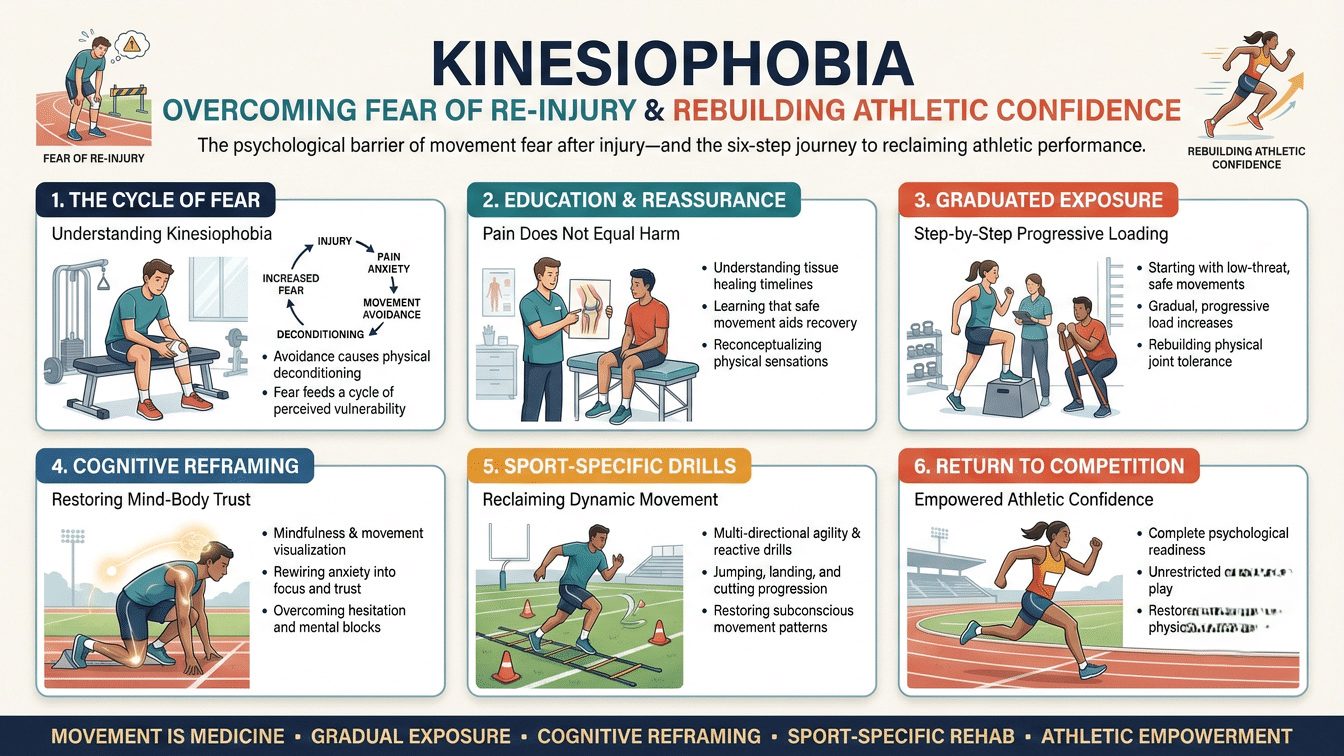
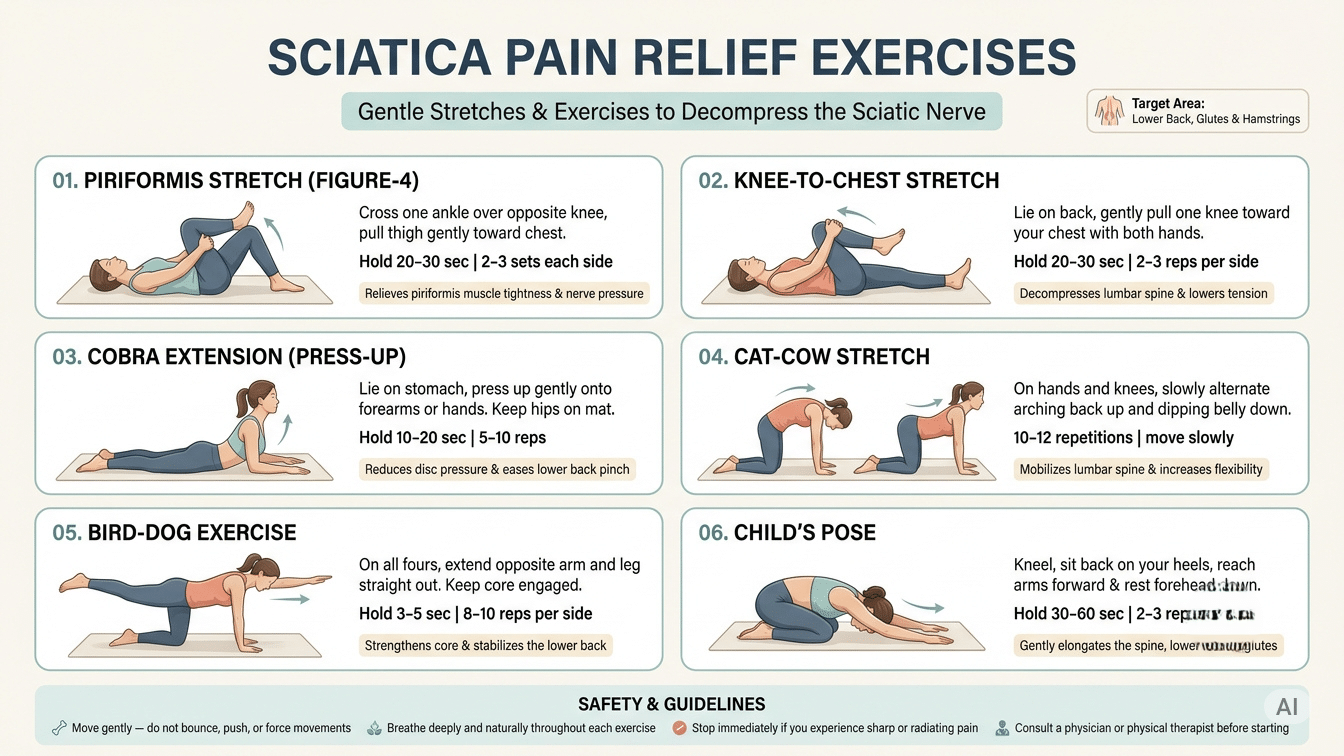
The right amount of physical activity can help with keeping you mobile, strong and healthy. You may be advised to:
- Walk gently
- Attend physiotherapy sessions
- Stretch and mobilize
- Complete appropriate strengthening exercises.
- Low impact exercises.
This should be adapted to your ability and medical needs. Not everyone can increase the intensity of their exercise quickly.
4. Improve sleeping habits
Having a healthy sleep pattern can help improve your physical and mental well-being.
Tips to help include:
- Go to bed and wake up at the same time every day.
- Ensure you have a comfortable place to sleep.
- Avoid stimulating activities before bed and try to limit caffeine intake later in the day.
- Speak to a healthcare professional if you are struggling to fall asleep.
- Sometimes specialist assessment and management is required.
5. Medication
Depending on the reason for you experiencing pain and whether you have a coexisting mental health disorder, medication may be considered.
Some medication will allow you to tackle the physical cause of your pain. It can also be used for some mental disorders, nerve pain and to help with sleep disorders.
There are medications that could help with more than one symptom but will depend on your diagnosis, medical history, current medication and possible side effects.
You must not start, stop or change any prescription medication without discussing it with your healthcare professional.
6. Social and Family Support
Chronic pain can affect your relationships and can affect your ability to work and take part in social activities.
Having support from family, friends and healthcare professionals can help you to express how you are feeling and keep you doing things that are meaningful to you.
Do not put the blame on someone for having chronic pain and expect them to manage everything on their own.
When Should You Seek Professional Help?
Contact a health professional if:
- The pain is more than three months long
- It is affecting your ability to work or do daily activities
- It is affecting your sleep
- You feel anxious or low
- You are losing interest in activities
- You are worried about having pain and struggling to move freely
- Your treatment is not working
If there is sudden severe pain, large injuries, new weakness/numbness, inability to control bladder or bowels or any other concerning symptoms then you should seek urgent advice.
If you have any thoughts about self-harm or suicide then you should contact a mental health professional, emergency services or nearest hospital straight away. Do not wait for your next appointment.
Frequently Asked Questions
1) Can chronic pain cause depression?
Yes, chronic pain can cause problems with sleep, independence and daily activities and therefore some people can develop symptoms of depression. However not everyone with chronic pain will get depression.
2) Can anxiety worsen pain?
Anxiety can cause increased alertness, tense muscles and make you more aware of any uncomfortable sensations. This can therefore affect how we feel pain and our coping but won’t affect the cause itself.
3) How do you deal with stress?
Stress can cause problems with the nervous system, sleep, tense muscles and emotions. Chronic stress can make chronic pain more difficult to cope with. Chronic pain can also cause stress.
4) What is central sensitization?
Increased sensitivity in parts of the central nervous system that process pain. This could be contributing to increased sensitivity to pain in some chronic pain conditions.
5) Can depression cause aches in the body?
Some people with depression can experience physical symptoms such as headaches, muscle aches and body aches. It is still important however to look into why they are experiencing these symptoms in case there is a medical cause.