Doctor’s Clinical Perspective
Medically guided Dr. Aditya Jain (MBBS, MS Orthopaedics, DNB, MNAMS)
“Joint pain shouldn’t dictate the boundaries of your life. Whether it’s a sports injury or advanced arthritis, my goal is to pinpoint the root cause and provide a tailored solution—from conservative care to precision joint replacement—to restore your mobility and get you back to living pain-free.”
Summary
Persistent knee and hip pain can severely disrupt your daily mobility and independence. Consulting an expert Knee and Hip Doctor in Delhi like Dr. Aditya Jain ensures accurate diagnosis and advanced treatment—ranging from targeted physical therapy and non-invasive care to modern joint preservation and precision joint replacement surgery—helping you return to an active, pain-free life.
Knee and Hip Doctor in Delhi
Your knees and hips are your body’s most important joints. They bear the load of your body weight from the moment you wake up in the morning until the moment you go to sleep at night. Nevertheless, joint pain can impede a person’s daily life, crippling them and making the simplest activities a challenge. This can occur irrespective of whether your discomfort is a dull ache that keeps you awake at night or a transient pain while climbing stairs. A Knee and Hip Doctor in Delhi such as Dr. Aditya Jain can assist you if you are experiencing any of these problems. We will discuss the most typical causes of knee pain, the remedies that can help, and when to see a medical professional in the next sections.
A qualified Knee and Hip Doctor in Delhi may help persons suffering from chronic hip discomfort. He will also be able to detect and manage any underlying diseases that could be contributing to the condition. Let’s examine the most common knee discomfort etiologies, therapies, and the recommended specialist to see if you should get medical attention.
1. What Does a Knee and Hip Doctor Treat?
A knee and hip specialist is an orthopedic surgeon or joint preservation specialist who focuses on the diagnosis, management, and treatment of disorders of the lower limbs. The anatomy of the knee and hip is intricately connected as they are both involved in the lower limb gait cycle.
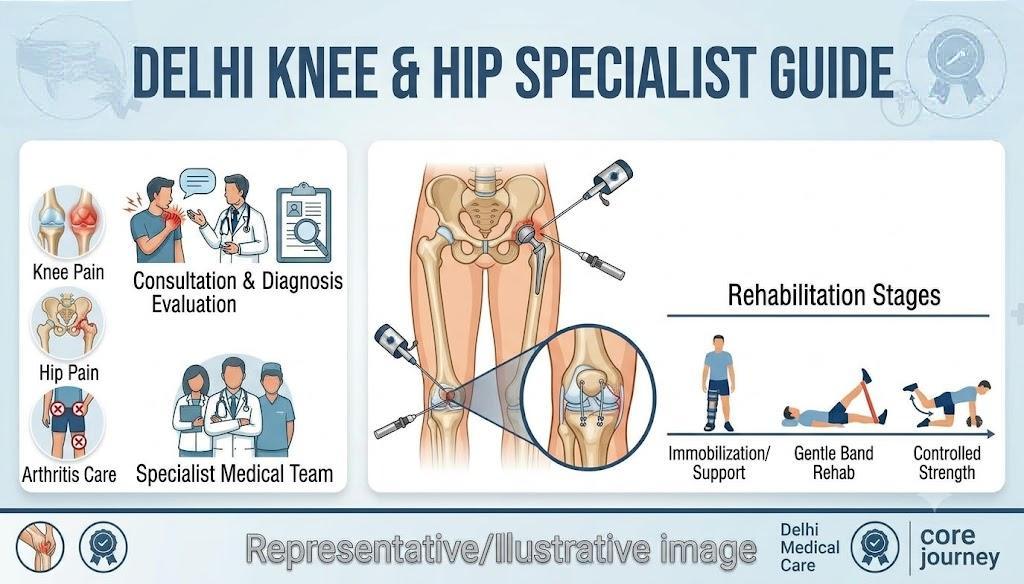
A qualified knee and hip doctor in Delhi treat a wide range of conditions including:
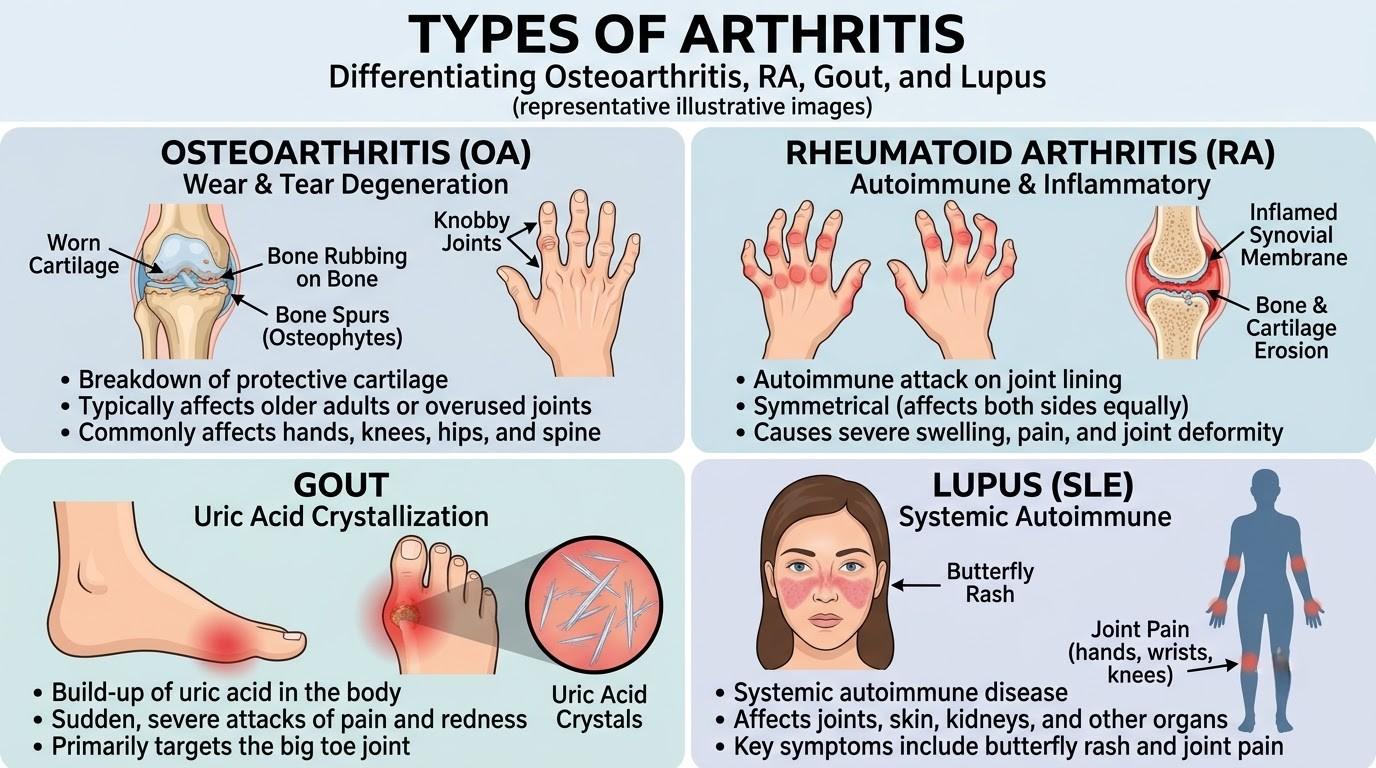
Osteoarthritis (OA): This degenerative condition involves the wearing away of the cartilage tissues that provide cushioning to the joints resulting in painful, stiff joints
Ligament and meniscus tears: Sports injuries such as ACL tear, meniscus, and collateral ligament tears
Hip impingement and labral tears: This commonly affects athletes and causes groin pain, stiffness, and limited range of motion in the hips
Bursitis and tendinitis: Inflammation of the tissues around the knee and hips caused by overuse, bursitis, or tendonitis
Avascular necrosis (AVN): Impaired blood flow to the hips and shoulders which may result in the death of bone tissue
Fractures and traumatic injuries: Hip fractures and traumatic injuries to the hip or knee from an accident or sports activities
2. What Are Common Causes of Knee Pain?
Knee pain can be one of the most common reasons for a patient to visit an orthopedic clinic. Due to the complexity of the knee structure and a large variety of tissues involved, there are numerous possible causes of pain in this region.
The most common causes of knee pain are:
- Age-related changes (Osteoarthritis): The natural wear and tear of cartilage tissue on the surfaces of the knee bones often leads to inflammation, making bones grind against each other painfully.
- Sports/Activity-related injuries: Injuries sustained during physical activity can affect multiple parts of the knee, most commonly the ACL, MCL, or menisci.
- Patellofemoral pain syndrome: A condition characterized by knee pain around or behind the kneecap, often caused by overuse of the knee.
- Tendinitis: Inflammation of the tendon tissue, usually around the kneecap, caused by overuse.
- Loose bodies: Small pieces of cartilage or bone can sometimes float freely in the knee joint, causing it to lock.
A correct diagnosis performed by the best Knee and Hip Doctor in Delhi is crucial to determining the cause of knee pain since treatment selection depends on it.
3. Modern Treatment Options: From Conservative Care to Advanced Surgery
Not all joint problems require surgery. Modern orthopedic surgery is gradually shifting towards a step-care approach, which takes into account the stage of the disease and the requirements of the individual patient.
Conservative and Non-Surgical Treatments
Non-surgical treatments are indicated in many conditions, including mild forms of arthritis, ligament injuries of the knee or hip, and degenerative diseases. The main conservative treatments for joint diseases include:
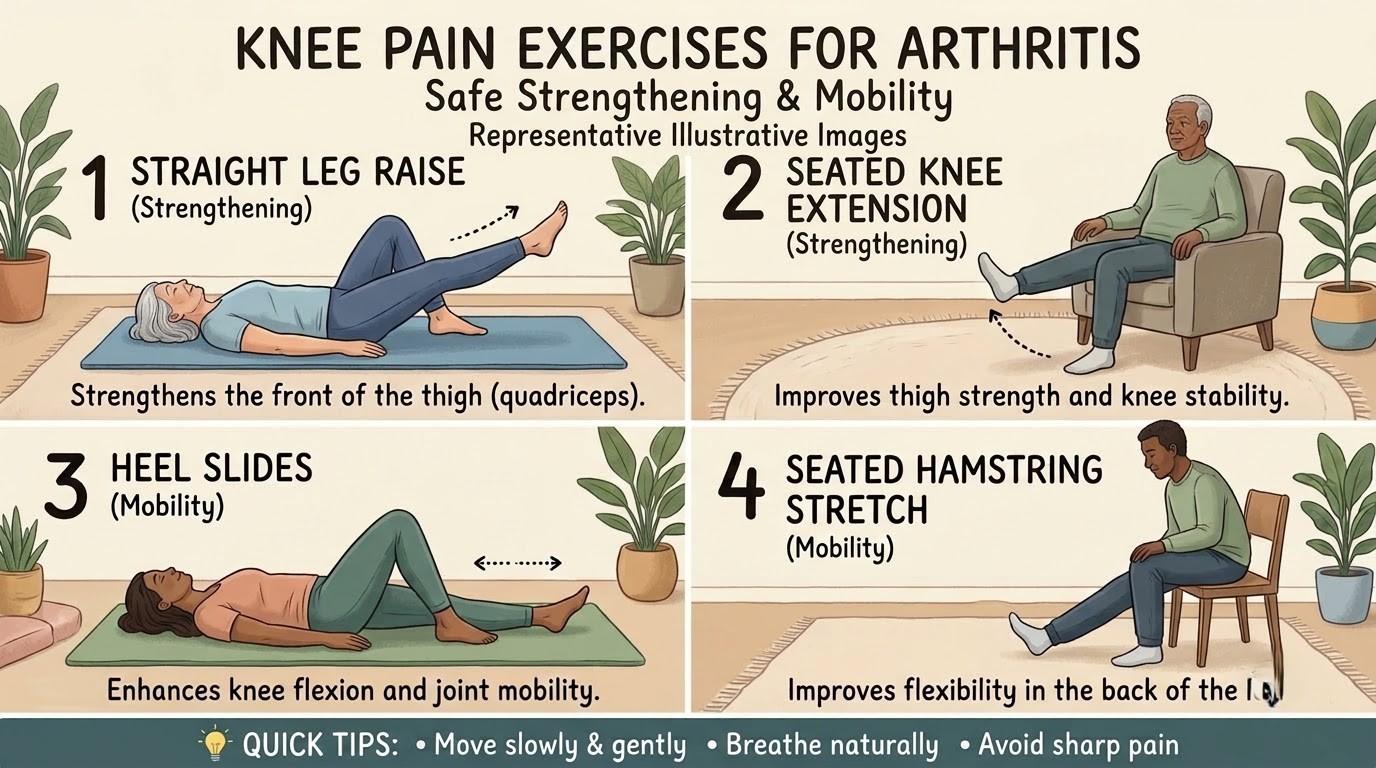
- Physical therapy: The doctor prescribes a set of specific exercises to strengthen the muscles that support the knee and hip joints, thereby reducing the load on them.
- Lifestyle changes: Avoiding strenuous activities and losing excess pounds help reduce stress on the joints.
- Drugs: Most often, anti-inflammatory drugs such as NSAIDs are used, various injections (viscous fluids) can also be prescribed.
- Surgery : Surgery is necessary if conservative treatments have failed to improve the situation or if there is a risk of further joint damage.
There are several types of surgery:
Arthroscopy is a minimally invasive procedure that allows the surgeon to examine the joint and remove damaged tissue (for example, a torn meniscus). It is performed under anesthesia, and several small incisions are made in the skin. During the procedure, the surgeon can also repair ligaments.
- Surgery to reshape the joint: This type of orthopedic surgery is done to prevent the progression of arthritis, deformity of the joint, or to prolong the function of the replaced joint after surgery.
- Replacement of joint parts: This type of surgery is indicated, for example, when the joint is completely worn out and cannot function. The surgeon removes the diseased tissues and replaces them with metal and plastic implants. The surgeon also corrects the position of the joint, after which the patient can expect complete relief from pain and high joint mobility. This procedure is performed with great skill by experienced surgeons such as Dr. Aditya Jain, who have a wealth of experience in joint replacement surgery.
4. When Should You Seek Expert Care?
It’s easy to dismiss minor aches as a byproduct of a busy week, but there are symptoms that demand a trip to the Knee and Hip Doctor in Delhi:
- Pain that keeps you awake at night: Painful joints that keep you from finding a comfortable position to sleep in or that wake you up during the night.
- Inability to put any weight on the limb: A feeling of the knee or hip buckling or giving way, or your inability to put any weight on it without great pain.
- Visible deformity or significant swelling: Inflammation, deformation, or redness around the knee or hip.
- Locking or grinding sensation that limits mobility: Your knee or hip catches, grinds, or locks when you try to move it.
- Pain continues despite rest or over-the-counter medication: Pain, stiffness, or inflammation that doesn’t respond to rest, ice, or medication after several weeks.
Conclusion
Joint pain should never define a person’s life. Whether one has suffered sports injuries in their youth or is suffering from degenerative arthritis in their later years, it is always a good idea to seek medical advice to return to an active lifestyle. Consulting a Knee and Hip Doctor in Delhi like Dr. Aditya Jain brings the patient closer to accurate diagnosis, innovative treatment, and expert surgeries to get them back on their feet again.
Frequently Asked Questions (FAQs)
1. Do all the knee and hip problems require surgery?
The majority of the problems related to joints can be treated through physiotherapy, medication, and minor surgical interventions. Surgery is recommended only in complicated cases and when other methods give no positive result.
2. How do I differentiate between hip and lower back pain?
Pain in the hip joint usually localizes in the groin, upper thigh, and hip area. Sciatica is manifested by discomfort that proceeds from the lumbar spine through the buttocks and down the back of the leg. A comprehensive assessment by a qualified Knee and Hip Doctor in Delhi will allow you to determine the source of discomfort.
3. How long does it take to recover from joint replacement surgery?
Everything goes well within several weeks after the operation – the patient walks independently with a specially designed aid and removes the stitches. However, the complete recovery of joint functions and the full return of all movements is a longer process and can take up to six months.
4. When is arthroscopy better than joint replacement?
Arthroscopy is indicated in young and active people with minor joint injuries, for example, with a meniscus or ligament injury. Arthroscopy allows the doctor to visually examine the joint and make the necessary manipulations without making a large incision. By contrast, joint replacement is usually recommended when degenerative changes in the cartilage are difficult to correct.
5. Why is it worth contacting Dr. Aditya Jain for knee and hip problems?
A consultation with an experienced surgeon is the first step in solving any joint problem. The doctor determines the most likely cause of discomfort, the degree of its localization, and the accompanying symptoms. Moreover, Dr. Jain will select the optimal individual treatment strategy and accompany you throughout the entire rehabilitation process after surgery.
Disclaimer: This post is for educational and awareness purposes only. Please consult a doctor for personalized medical advice.