Doctor’s Statement
Medically guided Dr. Pallavi Sharma, MBBS, MD Psychiatry, Consultant Psychiatrist, highlights the importance of understanding the factors that affect sleep before choosing a treatment. Persistent sleep difficulties may be associated with stress, anxiety, depression, medical conditions, medication effects, or irregular sleep habits. A careful clinical assessment helps guide appropriate, individualised care.
Summary:
Sleep disorders can affect mood, concentration, and overall health. Early diagnosis and appropriate treatment, including CBT-I, lifestyle changes, and medical care, can help improve sleep quality and daily well-being.
What Are Sleep Disorders?
Sleep disorders are conditions that impair the quality, timing, duration, or regularity of sleep. Such diseases can occur in children, adults, the elderly, and have various consequences on their physical, emotional, or mental health, for example, reduce productivity, cause irritability, or impair concentration.
The recommended amount of sleep per night for an adult person is about 7-9 hours, although it varies from person to person. The quality of sleep is no less important than the number of hours spent asleep. If a person goes to bed but cannot fall asleep for a long time or wakes up multiple times during the night and cannot fall back asleep, his sleep will be fragmented.
The most common symptoms of sleep disorders are:
- difficulty falling asleep;
- difficulty returning to sleep after waking during the night;
- waking up too early;
- fatigue after a full night’s sleep;
- loud snoring;
- choking or gasping during sleep;
- excessive daytime sleepiness;
- difficulty falling asleep;
- difficulty returning to sleep after waking during the night;
- waking up too early;
- fatigue after a full night’s sleep;
- loud snoring;
- choking or gasping during sleep;
- excessive daytime sleepiness;
- uncomfortable sensations in the legs at night;
- irregular sleep-wake cycles;
- impaired concentration or memory;
- irritability or depressed mood.
In such cases, it is necessary to contact a specialist to determine the type and cause of the disease and select the appropriate treatment. If these uncomfortable symptoms disrupt everyday life, it is necessary to get rid of them as soon as possible. There are many types of sleep disorders, each of which requires a different approach to treatment. The choice of methods also depends on the accompanying symptoms, age, and state of health of the patient.
Types of Common Sleep Disorders
Knowing the different types of sleep disorder can help you understand when it is best to seek help.
1. Insomnia
This is difficulty falling asleep, staying asleep, or waking up too early. It can be short-term or long-term in duration.
Common causes of insomnia are anxiety and depression or other medical conditions like chronic pain, caffeine intake, or irregular sleeping schedule, and some medications. With insomnia, you may feel tired, moody, have trouble concentrating, and struggle to complete everyday tasks
Treatment usually consists of CBT for insomnia and or sleep hygiene advice. In addition to that, we manage any underlying medical conditions, and in some cases, the use of medication can be recommended.
2. Obstructive sleep apnoea
Obstructive sleep apnoea (OSA) is caused by a blockage or narrowing of the airway resulting in pauses in breathing throughout the night.
The most common signs and symptoms of OSA are:
- Loud snoring
- Witnessed pauses in breathing
- Waking up with a headache
- Daytime sleepiness
Excessive daytime sleepiness, difficulty concentrating, and gasping or choking during sleep
The first step in treatment is a sleep study to confirm the suspicion of sleep apnoea and assess its severity. Once the diagnosis is made, an individualized treatment plan is designed based on the results of the study. This may involve Continuous Positive Airway Pressure (CPAP) therapy, oral appliances, and/or other treatments.
3. Restless Legs Syndrome
Restless legs syndrome (RLS) is characterized by an urge to move your legs due to uncomfortable sensations such as prickling or pulling feeling. In addition to that, your legs may feel itchy or tingly.
It usually happens when resting or lying still, and it often gets worse in the evening and throughout the night, making it challenging to fall asleep and stay asleep. Management usually consists of assessing the possible triggers, reviewing your medications and medical history, and performing blood tests if needed. The treatment is individualized based on the underlying cause, so it is essential to speak with one of our specialists about your symptoms.
4. Circadian Rhythm Sleep–Wake Disorders
Circadian Rhythm Sleep–Wake Disorders are due to disturbances in the circadian rhythm (a person’s natural 24-hour cycle).
For example, a person may fall asleep too late and have difficulties waking up at the desired time, even though they might feel tired. It can happen to anyone but is especially common among shift workers and people who travel regularly across time zones. Management usually consists of having a regular sleep schedule and strategic use of light, and medications in some cases, to reset your body clock. It is essential to speak with one of our specialists about your concerns.
5. Narcolepsy
Narcolepsy is a neurological disorder characterized by daytime sleepiness despite adequate sleep. Some people experience sudden loss of muscle control when falling or waking up from sleep during narcolepsy. Sleep paralysis, vivid dreams, and cataplexy (loss of muscle tone) can also occur.
However, daytime sleepiness can sometimes be due to lack of sleep, sleep apnoea, or other medications. It is essential to consult with one of our specialist neurologists to rule out other causes.
6. Parasomnias
Parasomnias are a group of several disorders that result in abnormal movements, behaviours, perceptions, and emotions that occur during sleep.
Parasomnias can vary from relatively benign events like sleepwalking or night terrors to more severe ones that can cause injury to yourself or someone else during sleep. It is always advisable to speak with one of our consultants to rule out any serious conditions if you experience any of these.
What Causes Sleep Disorders?
Sleep disorders can be caused by multiple factors. The list of these reasons helps to plan the proper treatment. The main contributors to sleep disorders include:
- Psychological factors : – such as stress, anxiety, depression, and other emotional problems.
- Lifestyle reasons : – like consuming caffeinated beverages, alcohol, and tobacco, having bad sleeping habits, and using mobile phones at night.
- Medication conditions :- that a person may take – insomnia, as well as disturbances in the sleep cycle, can be a side effect of various drugs.
- Medical conditions that may be present – chronic pain, breathing problems, and other sleep-related issues.
- Work shifts and environmental: – factors, such as traveling and staying up late, can also hurt the sleeping schedule.
Changes in the person’s environment, including noise, extreme temperatures, and the overall comfort of a sleeping area. A comprehensive evaluation of the person’s life and environment can enable a specialist to understand what the potential contributors to their sleep disorder may be and if additional tests are necessary.
How Are Sleep Disorders Diagnosed?
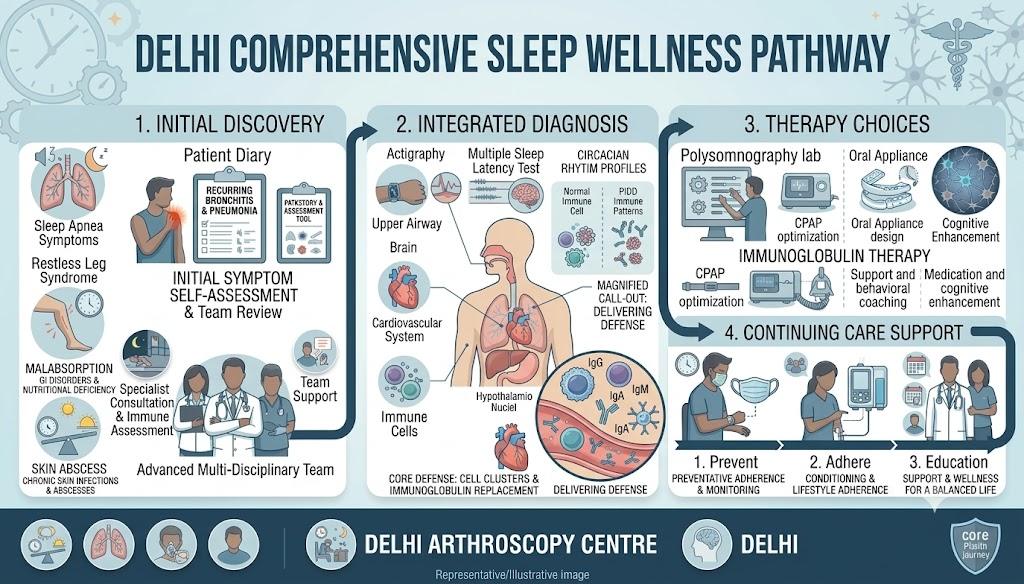
Diagnosis typically begins with a thorough discussion of your symptoms and medical history. Not everyone requires a sleep study, and the type of evaluation will depend on the disorders suspected.
1. Medical and Sleep History
A healthcare professional may ask you questions about your bedtime, waking time, night-time awakenings, snoring, daytime tiredness, work schedule, caffeine and medication intake, and underlying medical conditions.
They may ask you how long you have been experiencing these issues and if they affect your relationships, work, or other activities.
2. Sleep Diary
A sleep diary can be used to track your sleep and wake times, how long it takes you to fall asleep, any awakenings during the night, naps, and how you feel during the day.
Keeping a diary for a week or so can assist in identifying trends and may be beneficial in determining what to do during your medical appointment.
3. Questionnaires and Symptom Assessments
There are validated questionnaires that can help evaluate insomnia, excessive daytime sleepiness, and the likelihood of having obstructive sleep apnoea. They may also help determine the severity of other sleep disorders.
4. Polysomnography or Sleep Study
This is a test that takes place in a sleep laboratory and records your body functions throughout the night.
It may be recommended if a doctor suspects that you have sleep apnoea or another sleep disorder.
5. Home Sleep Apnoea Testing
This is a diagnostic tool for obstructive sleep apnoea that is occasionally recommended for adults who are likely to have simple sleep apnoea.
Not everyone is a candidate for this type of testing, and it should only be administered by a trained professional. If the results of the testing are negative or uncertain, additional investigations may be required to confirm the diagnosis.
6. Other Tests
Depending on your symptoms, your doctor may suggest blood tests, a review of your drugs, activity tests, or other sleep studies. For instance, those with restless legs syndrome, iron studies could be suggested to rule out secondary causes like anaemia. The goal is to identify the root cause of the condition rather than just suppressing the symptoms. This is a critical stage in the selection of the most effective Sleep Disorder Treatments in Delhi.
Sleep Disorder Treatments in Delhi: Available Options
Treatment varies depending on the specific sleep concern, severity, medical history, and contributing factors. A personalized approach may incorporate any one or a combination of the following methods:
1. Cognitive Behavioral Therapy for Insomnia (CBT-i)
CBT-I addresses chronic insomnia and teaches individuals skills to identify and modify dysfunctional thinking patterns and behaviors that contribute to sleeping difficulties.
It typically involves stimulus control, relaxation training, restriction of time spent in bed, and cognitive restructuring to address negative thoughts about sleep loss and poor sleep quality.
CBT-I is generally recommended as a first-line treatment for chronic insomnia in adults. It differs from general sleep-hygiene education in its structured therapeutic methodology.
2. Enhancing Sleep-Healthful Behaviors
Adopting healthy habits can help manage and prevent sleep disorders:
- Maintain a regular sleep-wake cycle, including weekends.
- Create a sleep-conducive environment; for instance, a dark and quiet bedroom.
- Limit caffeine consumption, especially in the evening.
- Avoiding heavy meals close to bedtime if they cause discomfort.
- Developing a relaxing bedtime routine.
- Engaging in regular physical activity, avoiding strenuous workouts close to bedtime.
- Minimizing exposure to bright screens and stimulating activities before bedtime.
- Limiting alcohol consumption as a sleep aid since it can interfere with sleep cycles.
While these adjustments can be beneficial, chronic insomnia or suspected sleep apnea should be evaluated by a healthcare professional.
3. Pharmacological Interventions
In selected cases, medications may be considered after a thorough evaluation of symptoms, contraindications, existing medications, and potential risks.
Note that some sleep medications may cause daytime drowsiness, increased fall risk, dependence, or interactions with other substances and are contraindicated in conditions like sleep apnea.
Avoiding abrupt discontinuation or combining different sleeping pills or sedatives without medical advice is crucial. Concurrent use of alcohol and sedatives should also be avoided, and the need for continued treatment should be reevaluated regularly.
4. Therapies for Sleep Apnea
Continuous positive airway pressure (CPAP) or other positive pressure devices are often recommended for obstructive sleep apnea, along with oral appliances, positional therapy, lifestyle modifications like weight loss where applicable, and potentially surgery.
Loud snoring associated with pauses in breathing and excessive daytime sleepiness should prompt a visit to a healthcare provider rather than self-treatment.
5. Addressing Underlying Mental Health Concerns
Mental health disorders like anxiety, depression, and stress can often exacerbate sleeping problems. In such cases, a psychiatrist may be consulted to evaluate the situation and recommend treatment, which may involve psychotherapy, medication, or a combination.
6. Circadian Rhythm Regulation
Irregular sleep-wake cycles can be reset with regular healthy routines and exposure to bright light at appropriate times.
Melatonin may sometimes be considered for circadian rhythm disorders, but individual circumstances should be reviewed by a medical professional.
7. Consulting a Specialist
A sleep medicine specialist, respiratory physician, neurologist, psychiatrist, or another relevant professional, may be needed to evaluate the situation and recommend further tests or treatments.
A psychiatrist can help address insomnia and assess mental health, while a sleep or respiratory physician may be necessary for disorders like sleep apnea.
Ultimately, appropriate Sleep Disorder Treatments in Delhi are individually tailored and involve a precise diagnosis, an appropriate treatment plan based on evidence, and subsequent follow-up.
When Should You Seek Professional Help?
Seek medical attention if you experience any of the following:
- trouble sleeping for several nights a week for weeks or months at a time
- excessive daytime sleepiness despite getting sufficient sleep
- loud snoring or observed pauses in breathing during sleep
- anxiety or depression alongside sleep difficulties
- unusual sleep behaviors that could result in self-injury
- sleep deprivation impacting work, school, relationships, or driving
Do not drive or operate heavy machinery while sleep-deprived. Call emergency services if you experience life-threatening breathing difficulties or another medical emergency.
How to Choose the Right Sleep Treatment in Delhi
When choosing a provider, make sure they have the appropriate credentials and can evaluate your symptoms before suggesting a course of treatment.
Ask them to specify:
- Relevant qualifications: Check if the clinician has the right registrations and training.
- A proper assessment: Make sure they ask the right questions and recommend evidence-based treatments, such as CBT-I or sleep testing, if applicable.
- Medication safety: Ask about side effects, interactions, length of treatment, and follow-up.
- Referral: Depending on your needs, you may need a multidisciplinary approach.
If you are looking for Sleep Disorder Treatments in Delhi, make sure the clinic offers the services you need. Not all clinics offer specialized sleep studies, so ask whether testing is available on site or through a referral.
Conclusion
Sleep disorders can impact your mood, focus, physical health, and overall performance. The good news is most can be treated and improved with the right evaluation and care. Learning about symptoms, possible causes, and treatments is a great start in improving your sleep.
If you are looking for Sleep Disorder Treatments in Delhi you may want to start by determining what type of sleep issue you may be facing. Possible treatments may include CBT-I, making adjustments to your lifestyle or habits, addressing any underlying causes, medications if needed, or a sleep study to evaluate for sleep apnea or another sleep disorder.
Medical Disclaimer: The information in this article is provided for educational purposes only and should not be used as a substitute for professional medical advice, diagnosis, or treatment. Individualized medical decisions should be made in consultation with a qualified healthcare professional.
Frequently Asked Questions (FAQs)
1. What are the most prevalent types of sleep disorders?
The most prevalent types of sleep disorders are insomnia, obstructive sleep apnea, restless legs syndrome, circadian rhythm sleep-wake disorders, narcolepsy, and parasomnias. The main symptoms, causes, and treatment options for these common sleep disorders are different, which is why proper diagnosis is essential.
2. How can one determine if he or she has a sleep disorder?
A sleep disorder can be determined by analyzing sleeping habits and symptoms. In particular, a doctor may ask to keep a sleep diary, complete certain questionnaires, and undergo a polysomnography, home sleep apnea testing, or other diagnostic procedures and lab tests.
3. Is it possible to treat sleep disorders without medication?
Yes, it is possible to treat some sleep disorders without medication. For example, insomnia can be cancelled by cognitive behavioral therapy. Nevertheless, other sleep disorders might require additional medical attention.
4. When should one contact a psychiatrist regarding sleep disorders?
One should contact a psychiatrist to discuss sleep disorders if they cause distress, disrupt everyday activities, or occur with other mental health issues, such as depression or anxiety. A psychiatrist will be able to determine possible causes of insomnia or other sleep disorders and suggest the necessary treatment.
5. Is it possible to assume that all snorers have sleep apnea?
It is not possible to assume that all snorers have sleep apnea because this symptom can be caused by a variety of reasons. However, if someone has noticeable snoring, gasping, or choking sounds during sleep, one should consult a doctor regardless.
Disclaimer: This post is for educational and awareness purposes only. Please consult a doctor for personalized medical advice.